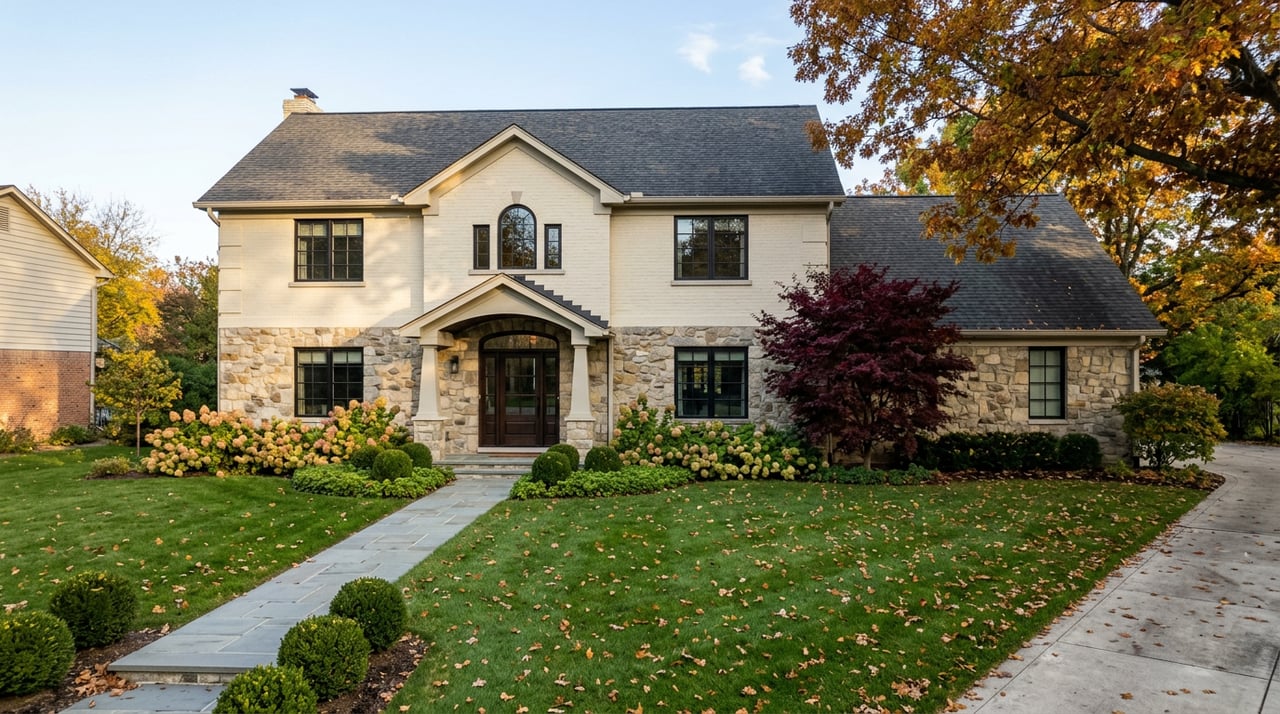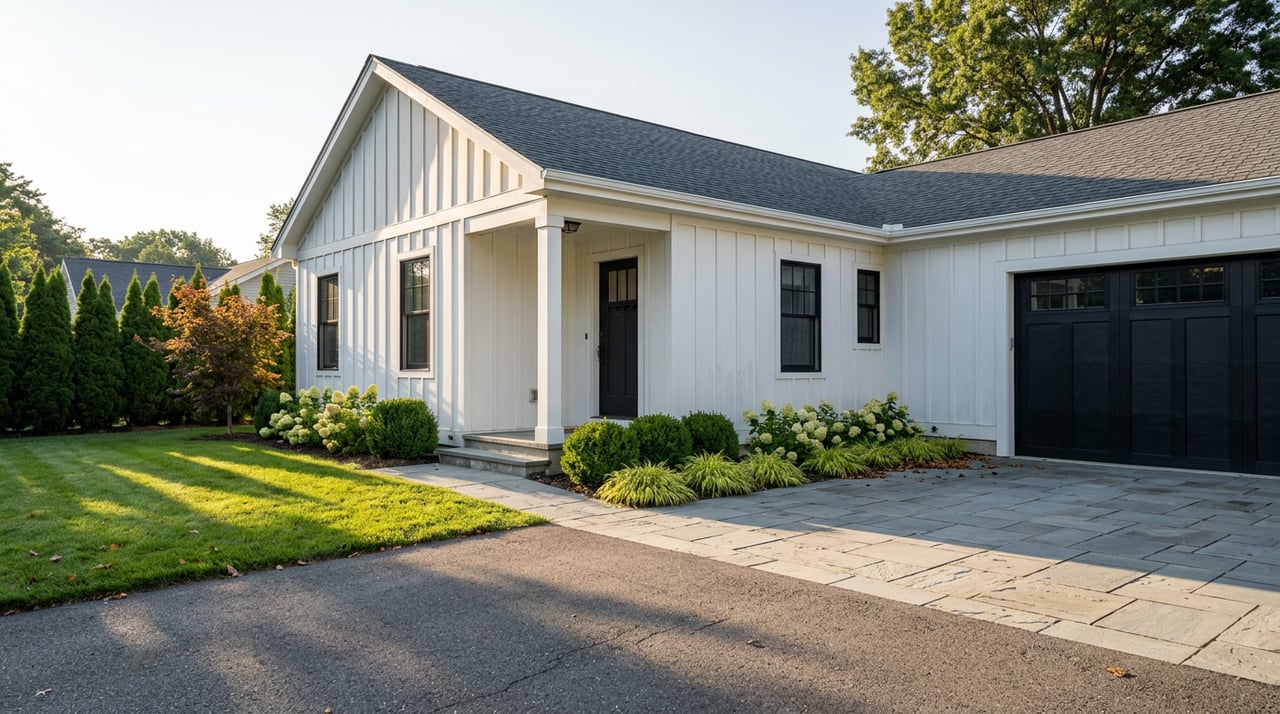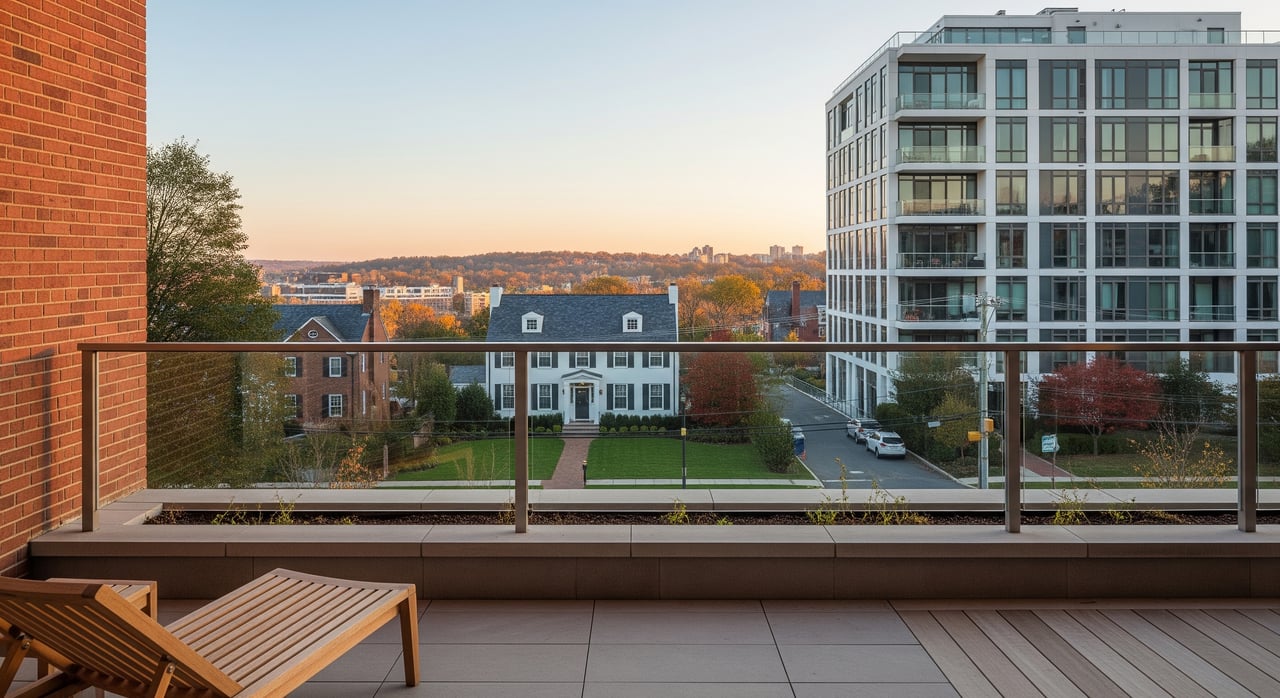
Trying to decide between a condo and a house in White Plains can feel like comparing apples to oranges. You have a walkable downtown with high-rises, classic single-family streets, and a strong co-op scene that adds another option to the mix. In this guide, you’ll learn how condos, co-ops, and single-family homes differ on maintenance, privacy, amenities, financing, and resale, so you can choose with confidence. Let’s dive in.
White Plains at a glance
White Plains blends an active downtown core with quieter residential neighborhoods. You’ll find more condos and co-ops near the train station and city center, while single-family homes are more common in outlying neighborhoods within the city and surrounding Westchester towns. For planning, zoning, and local services, start with the City of White Plains.
If you commute, the White Plains Metro-North stop on the Harlem Line offers express trains to Manhattan in roughly 30 to 45 minutes. For current schedules and service updates, check Metro-North via the MTA. Property taxes are a meaningful expense in Westchester, so build them into your budget whether you buy a house, condo, or co-op. You can review county tax information through the Westchester County Treasury.
Schools and programs also influence many buyers. To understand boundaries and offerings, consult the White Plains City School District. For state-level data, use NYSED school reports.
Condo, co-op, or house: key differences
Maintenance and predictability
- Single-family house: You handle everything inside and out. That includes roof, siding, driveway, yard, and snow. Costs arrive as needed, which can be lumpy but gives you total control over timing and contractors.
- Condominium: You maintain your interior. The association covers the roof, exterior, common systems, and shared areas. You pay a monthly HOA fee, which is predictable, but fees can rise and special assessments can occur.
- Co-op: Similar to a condo for building upkeep. Monthly “maintenance” covers operating costs and usually the building’s property taxes. Heat and hot water are often included, especially in larger buildings, but confirm with the specific building documents.
Privacy, space, and noise
- Single-family house: You get the most privacy, outdoor space, and control. Detached living typically reduces shared-wall noise.
- Condo: Privacy varies by building and construction quality. High-rises mean shared walls, floors, and ceilings. Some condos offer balconies or terraces but yards are limited or communal.
- Co-op: Comparable to condos. Board rules often manage activities that affect neighbors, such as renovation hours.
Amenities and services
- Single-family house: Amenities depend on the property itself. You can add features over time, subject to zoning and budget.
- Condo: Many downtown buildings offer doorman, concierge, fitness rooms, lounge spaces, and garage parking. More amenities usually mean higher monthly fees.
- Co-op: Amenities range from basic to full-service. House rules may govern access and guest use.
Monthly costs and taxes
- Single-family house: You pay mortgage, property taxes, insurance, utilities, and upkeep. There is no HOA unless you buy in a planned community.
- Condo: HOA fees typically cover building insurance for common areas, some utilities, and reserves. You pay property taxes directly on your unit.
- Co-op: Monthly maintenance usually includes your share of building property taxes and operating costs. You do not get a separate property tax bill, but you should analyze the maintenance breakdown carefully.
Before you commit, review association financials, reserve levels, and the history of fee increases or special assessments. For a plain-English overview of how condos and co-ops work in New York, use the NY Department of State guide and the New York Attorney General’s consumer resources.
Parking and storage
- Single-family house: Driveways and garages are common and usually included at no extra cost.
- Condo and co-op: Parking may be deeded, assigned with a monthly fee, or available by waitlist. In downtown White Plains, confirm garage availability, rates, and whether spaces convey with the unit.
Financing, approval, and resale
Mortgage basics and underwriting
- Condos: Conventional lenders often finance condos, but they will review the building’s financials, owner-occupancy ratios, delinquencies, and any litigation. Project requirements are outlined by agencies like Fannie Mae.
- Co-ops: Financing is typically a share loan tied to your proprietary lease. Some national programs do not cover co-ops. Local banks and lenders familiar with Westchester co-ops are common. Co-op boards can require stronger debt-to-income ratios and post-closing liquidity than lenders alone.
- Houses: You use a standard mortgage secured by the property. Compare fixed and adjustable options, closing costs, and total monthly payments with guidance from the Consumer Financial Protection Bureau.
Board approvals and rental rules
- Co-ops: Expect a board package and interview. Subletting is often restricted, sometimes allowed only after an owner-occupancy period or for a limited time.
- Condos: Generally fewer hurdles to sell or rent, though some buildings have rental caps or registration requirements. Always check bylaws and house rules before you buy.
Resale and marketability
- Condos: Typically draw a broader buyer pool due to easier financing and fewer approval steps. That can support faster resale in many markets.
- Co-ops: The board approval process narrows the buyer pool, which can lengthen timelines and reduce investor interest.
- Single-family homes: Appeal to buyers seeking privacy and outdoor space. Seasonality and neighborhood features can influence pace and pricing.
Flexibility for projects and long-term plans
Renovations and space changes
- House: You have the most freedom to renovate and add space, subject to permits and zoning.
- Condo: Interior updates are common. Projects that touch plumbing stacks, electrical risers, or structural elements will need approvals and contractor insurance.
- Co-op: Renovations require board approval and compliance with building rules. Work hours and contractor access are often limited to reduce building disruptions.
If you plan to add space, create an accessory unit, or convert a garage, talk with the city first. Zoning and permitting control what is allowed. Start with the City of White Plains planning and building departments to understand rules for ADUs, parking, and setbacks.
Investment outlook and renting
- Condos: Often better for investors thanks to clearer ownership, easier financing, and fewer rental hurdles. Verify any rental caps and minimum lease terms.
- Co-ops: Not ideal for short-term investment because many restrict or limit sublets.
- Houses: Strong rental demand in many Westchester areas, but you assume full landlord responsibilities and must follow local rental rules.
Quick scenarios to help you choose
- You want a short walk to the train and low upkeep: A condo near downtown can fit, with amenities that support a lock-and-leave lifestyle.
- You value privacy, a yard, and room to grow: A single-family home in a quieter neighborhood offers space, control, and long-term flexibility.
- You like predictable monthly costs and are comfortable with rules: A well-run co-op can deliver value, especially if heat and hot water are included in maintenance.
- You plan to rent the property in a few years: A condo may offer a smoother path, subject to any rental caps and registration rules.
- You want to remodel or add an accessory suite over time: A single-family home gives you the most options, pending zoning and permits.
Your White Plains buying checklist
Use this checklist to compare options side by side and avoid surprises.
For condos and co-ops
- Building financials: most recent budget, audited statements, and reserve fund balance
- Fee history: 3 to 5 years of increases and any special assessments
- Legal and rules: bylaws or proprietary lease, house rules, and any amendments
- Resale and renting: owner-occupancy ratio, sublet policy, and any rental caps
- Operations: included utilities, staffing, insurance coverage, and elevator/mechanical maintenance plans
- Parking and storage: availability, fees, waitlists, and whether spaces convey
- Board matters: interview requirements, application package details, and typical approval timelines
- Litigation: any pending or recent lawsuits that could affect financing or future assessments
For single-family homes
- Taxes: recent bills, assessed value, and projected changes with improvements
- Condition: roof, foundation, HVAC, electric, plumbing, and drainage
- Site factors: survey, easements, tree conditions, and driveway access in winter
- Renovation potential: zoning allowances for additions or ADUs and permit requirements
- Utilities and services: capacity for future expansion and typical seasonal costs
For all property types
- Commute: travel times to your typical destination and practical parking options
- Insurance: quotes for homeowners, condo, or co-op coverage and deductibles
- Closing costs and transfers: state and local transfer taxes, association transfer fees, and any co-op flip taxes
- Lender readiness: confirm underwriting requirements early, especially for co-ops
Ready to compare homes?
Choosing between a condo, co-op, or house in White Plains comes down to lifestyle, budget, commute, and your long-term plan. If you want a calm, data-backed path to the right fit, our team can help you weigh buildings, neighborhoods, and costs side by side. When you are ready to move forward, reach out to Gino Bello Homes for a friendly, local consultation.
FAQs
How long is the White Plains to NYC commute?
- Express Metro-North trains on the Harlem Line typically run about 30 to 45 minutes. Always verify current schedules on the MTA site.
What do co-op maintenance fees usually cover in White Plains?
- Co-op maintenance often includes the building’s property taxes, operating costs, and sometimes heat and hot water; review the proprietary lease and budget to confirm details.
Are co-ops harder to finance than condos in Westchester?
- Co-ops usually require specialized share loans and stricter board liquidity standards, while condos often use standard mortgages; check lender and board requirements early.
What should I review before buying a condo or co-op in White Plains?
- Ask for financial statements, reserve balances, fee history, board minutes, bylaws or proprietary lease, rental rules, parking details, and any pending litigation.
How do property taxes work for each property type in Westchester?
- House owners pay taxes directly; condo owners pay taxes on their unit separately; co-op shareholders pay their share through monthly maintenance; see the Westchester County Treasury for tax information.
Can I add an accessory dwelling unit to a single-family home in White Plains?
- It depends on zoning and permits; contact the City of White Plains planning and building departments to confirm what is allowed on your lot.