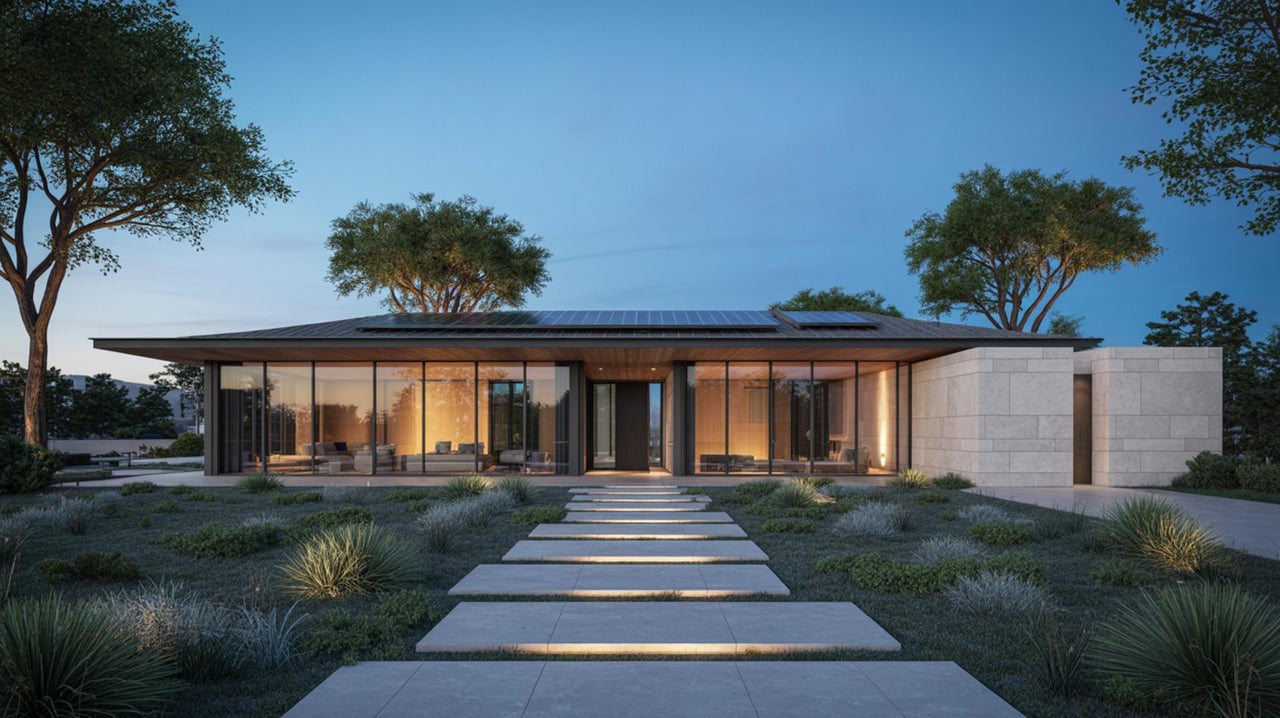
In today's world, where energy costs are rising and environmental concerns are more pressing than ever, finding ways to save energy and reduce expenses is crucial for homeowners. Improving home efficiency not only lowers utility bills but also contributes to a more sustainable lifestyle. By implementing a few strategic changes, homeowners can make their homes more energy-efficient and cost-effective.
Upgrade to Energy-Efficient Appliances
One of the most effective ways to reduce energy consumption is by upgrading to energy-efficient appliances. Modern appliances are designed to use less energy while delivering the same or better performance compared to older models. For instance, energy-efficient refrigerators, washing machines, and dishwashers can significantly cut down on electricity usage. When shopping for new appliances, look for the ENERGY STAR label, which indicates that the product meets strict energy efficiency guidelines. Although the initial investment may be higher, the long-term savings on utility bills can make it a worthwhile expenditure.
Improve Insulation
Proper insulation is key to maintaining a comfortable indoor temperature and reducing energy costs. Many homes lose a substantial amount of heat in the winter and cool air in the summer due to inadequate insulation. By improving insulation in areas such as the attic, walls, and floors, homeowners can prevent energy loss and reduce the need for heating and cooling. Insulating windows and doors with weatherstripping or caulking can also help seal gaps and prevent drafts, further enhancing energy efficiency.
Install a Programmable Thermostat
A programmable thermostat is a simple yet effective tool for managing energy use. These devices allow homeowners to set specific temperatures for different times of the day, ensuring that heating and cooling systems operate only when needed. For example, the thermostat can be programmed to lower the temperature at night or when the house is unoccupied, reducing energy consumption without sacrificing comfort. Some advanced models even offer remote control via smartphone apps, providing added convenience and control over home energy use.
Utilize Natural Light
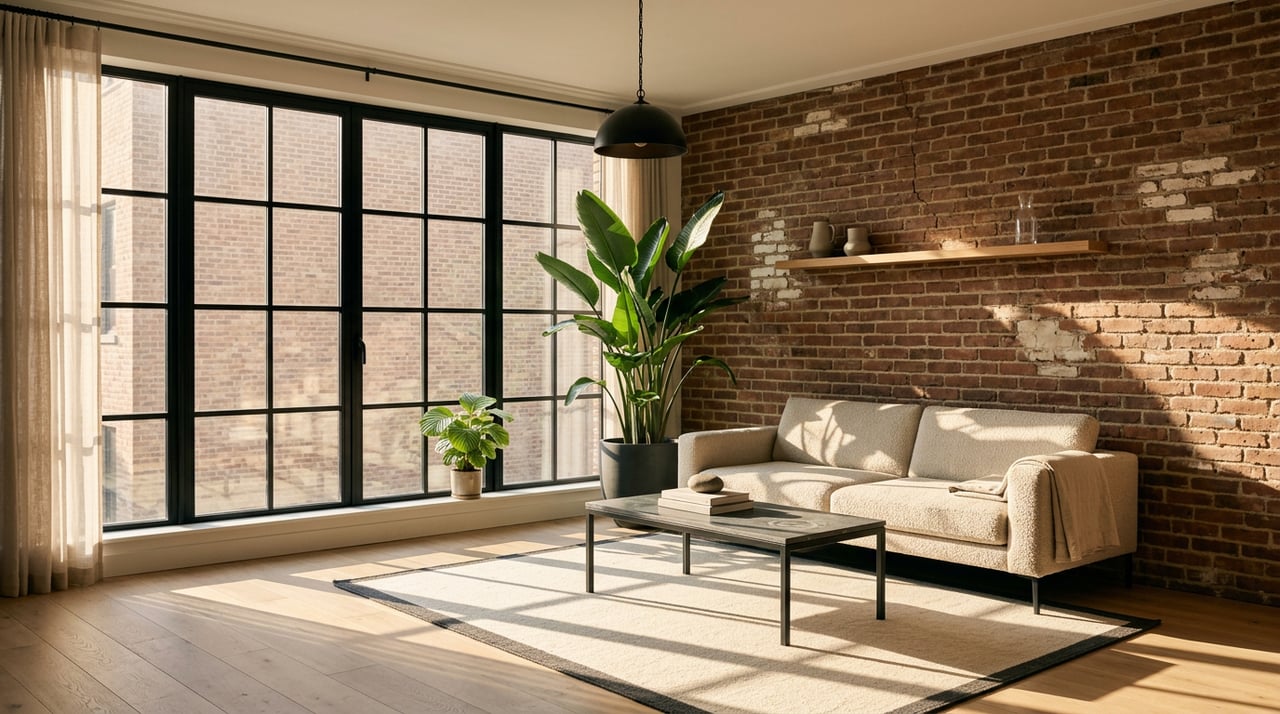
Maximizing the use of natural light can significantly reduce the need for artificial lighting, leading to energy savings. Homeowners can achieve this by opening curtains and blinds during the day to let in sunlight. Installing skylights or larger windows can also enhance natural lighting in darker areas of the home. Additionally, using light-colored paint on walls and ceilings can help reflect natural light, making rooms feel brighter and more inviting without relying on electric lights.
Seal Air Leaks
Air leaks in a home can lead to significant energy loss, as conditioned air escapes and unconditioned air enters. Identifying and sealing these leaks is an important step in improving home efficiency. Common areas where leaks occur include around windows, doors, and electrical outlets. Homeowners can use caulk or weatherstripping to seal these gaps and prevent air infiltration. Conducting a thorough inspection of the home and addressing any leaks can result in noticeable energy savings.
Implement Energy-Efficient Lighting
Switching to energy-efficient lighting is a simple and cost-effective way to reduce energy consumption. LED bulbs, for example, use a fraction of the energy compared to traditional incandescent bulbs and have a much longer lifespan. By replacing all the light bulbs in a home with LED alternatives, homeowners can significantly cut down on electricity usage. Additionally, using dimmer switches and motion sensors can further enhance lighting efficiency by ensuring lights are only used when necessary.
Optimize Water Heating
Water heating is one of the largest energy expenses in a home. To reduce this cost, homeowners can take several steps to optimize their water heating systems. Lowering the water heater temperature to 120 degrees Fahrenheit can prevent energy waste while still providing sufficient hot water. Installing low-flow showerheads and faucets can also reduce water usage and the energy required to heat it. For those looking to make a larger investment, upgrading to a tankless water heater can offer substantial energy savings over time.
Maintain HVAC Systems
Regular maintenance of heating, ventilation, and air conditioning (HVAC) systems is essential for ensuring they operate efficiently. Dirty filters, clogged ducts, and poorly maintained equipment can lead to increased energy usage and higher utility bills. Homeowners should schedule annual HVAC inspections and clean or replace filters regularly to keep systems running smoothly. Proper maintenance not only improves energy efficiency but also extends the lifespan of the equipment, saving money on repairs and replacements.
Use Smart Power Strips
Many electronic devices continue to draw power even when turned off, contributing to unnecessary energy consumption. Smart power strips can help combat this issue by automatically cutting off power to devices that are not in use. By using smart power strips for electronics such as TVs, computers, and gaming consoles, homeowners can reduce standby power consumption and lower their energy bills. This simple change can have a significant impact on overall energy efficiency.
Landscape for Energy Efficiency
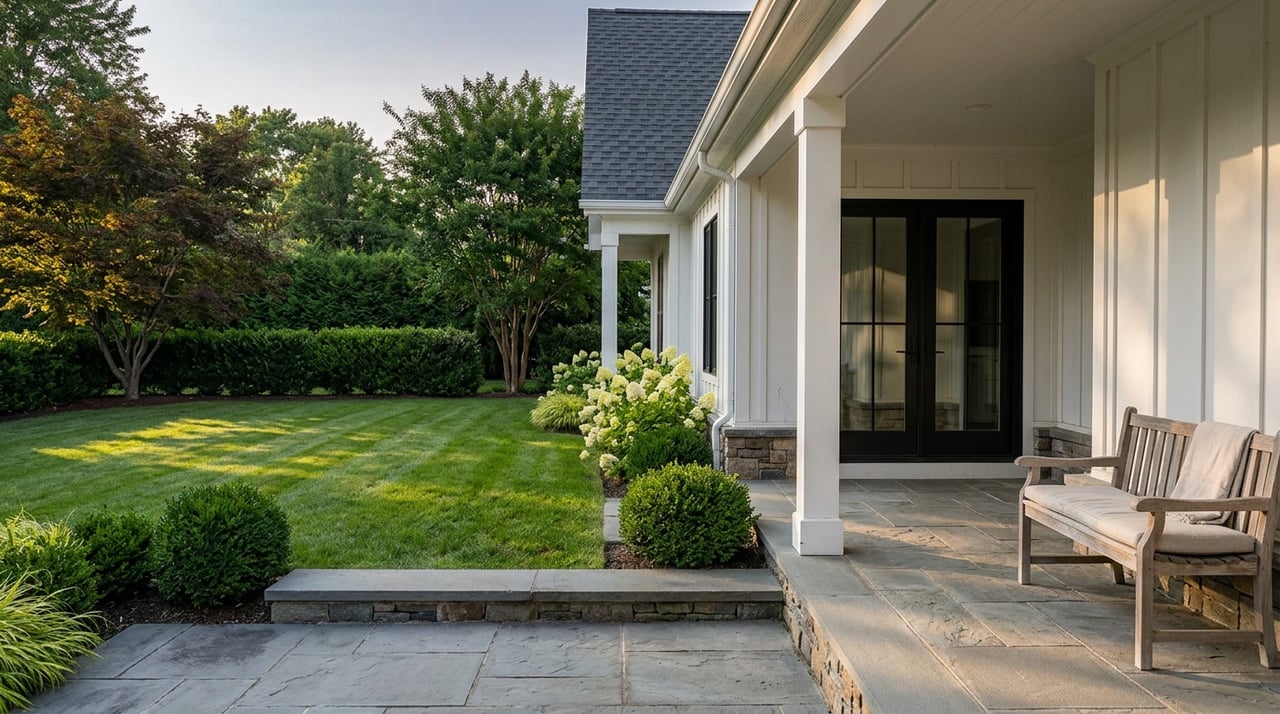
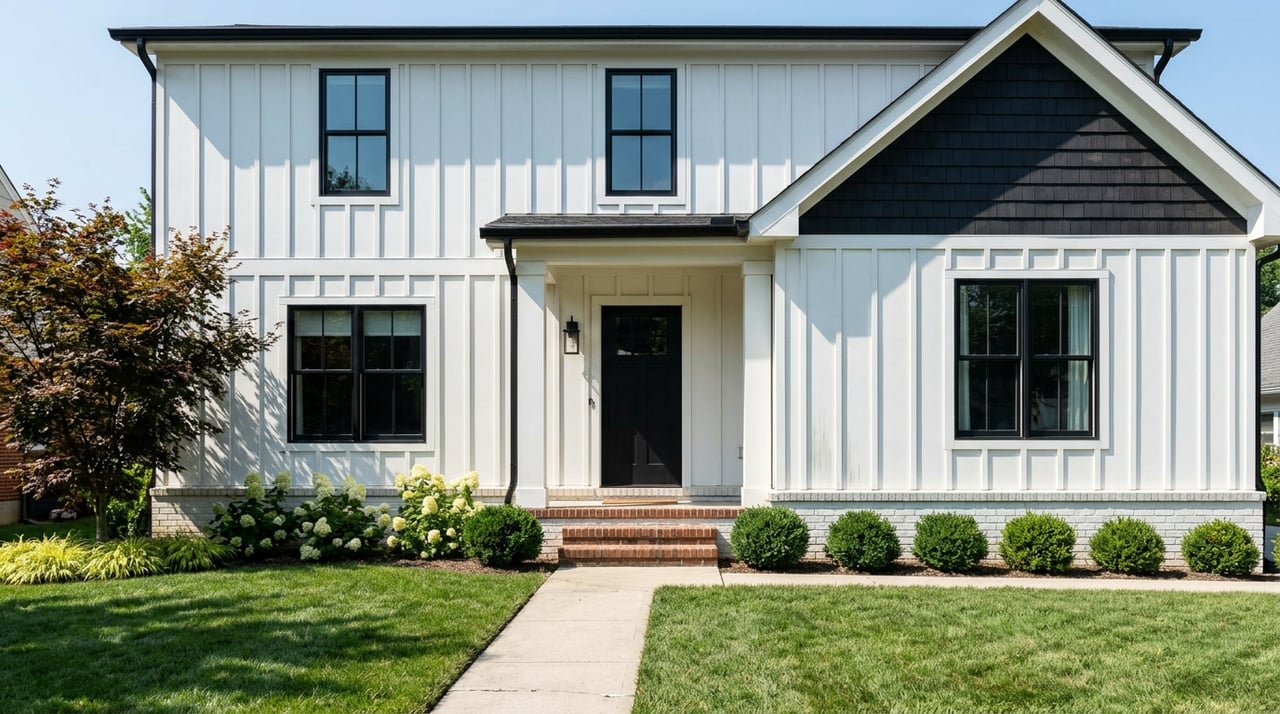
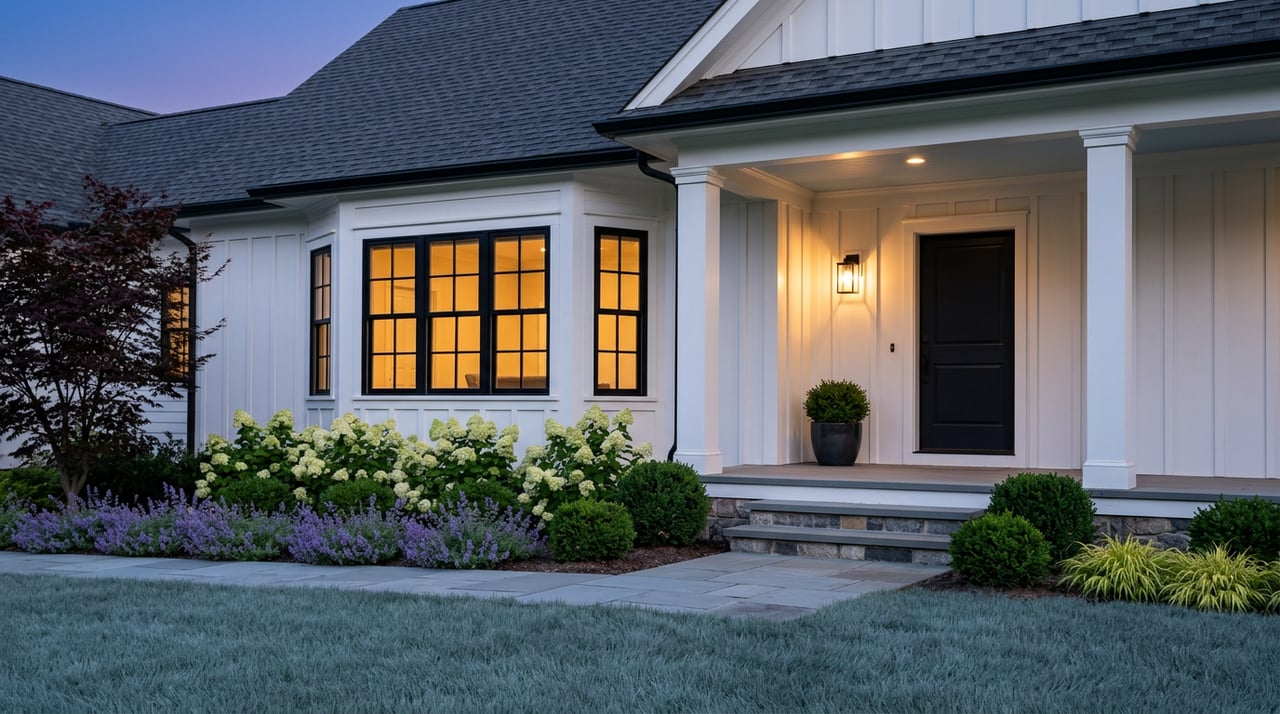
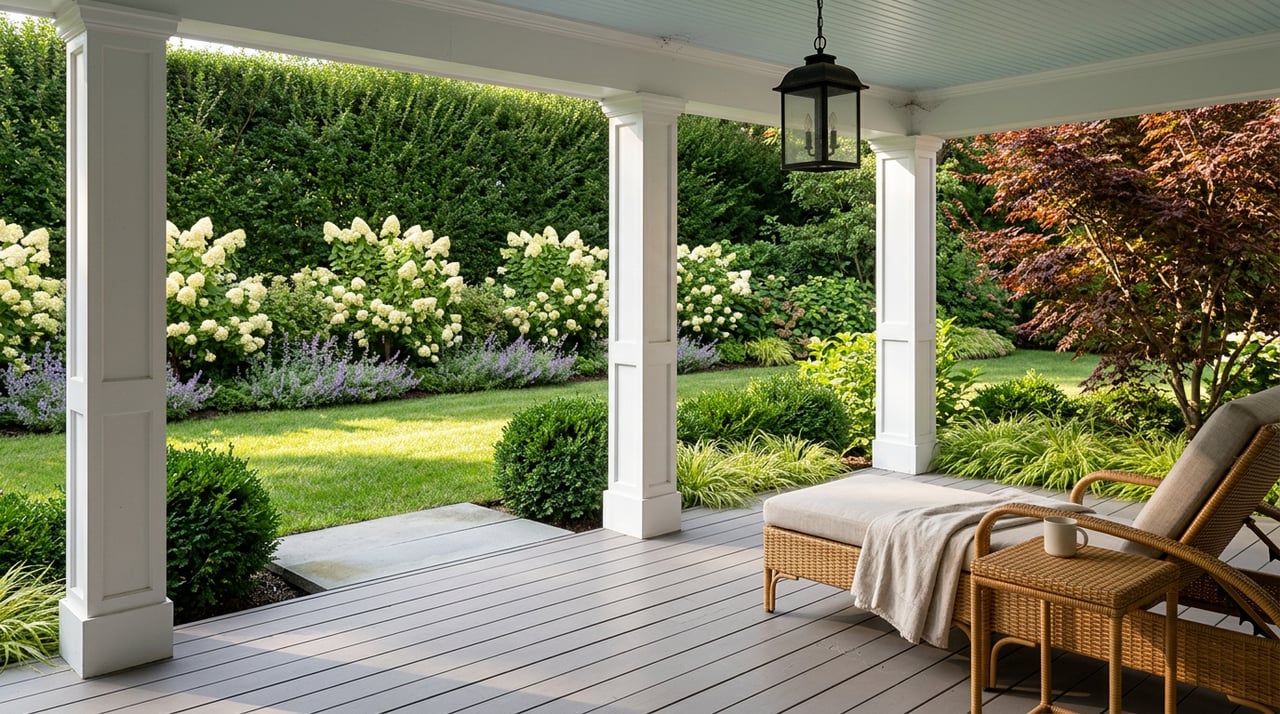
Strategic landscaping can also play a role in improving home energy efficiency. Planting trees and shrubs around a home can provide natural shade, reducing the need for air conditioning in the summer. In the winter, evergreen trees can act as windbreaks, helping to insulate the home and reduce heating costs. Choosing the right plants and positioning them effectively can enhance the energy efficiency of a home while also adding to its aesthetic appeal.
Start Saving Today
By implementing these simple home efficiency hacks, you can start saving energy and money right away. Small changes can lead to big savings on your utility bills while also helping the environment. If you're looking to make even bigger improvements or need expert advice on energy-efficient homes, reach out to Gino Bello Homes. They can guide you in making smart choices for your home and future.