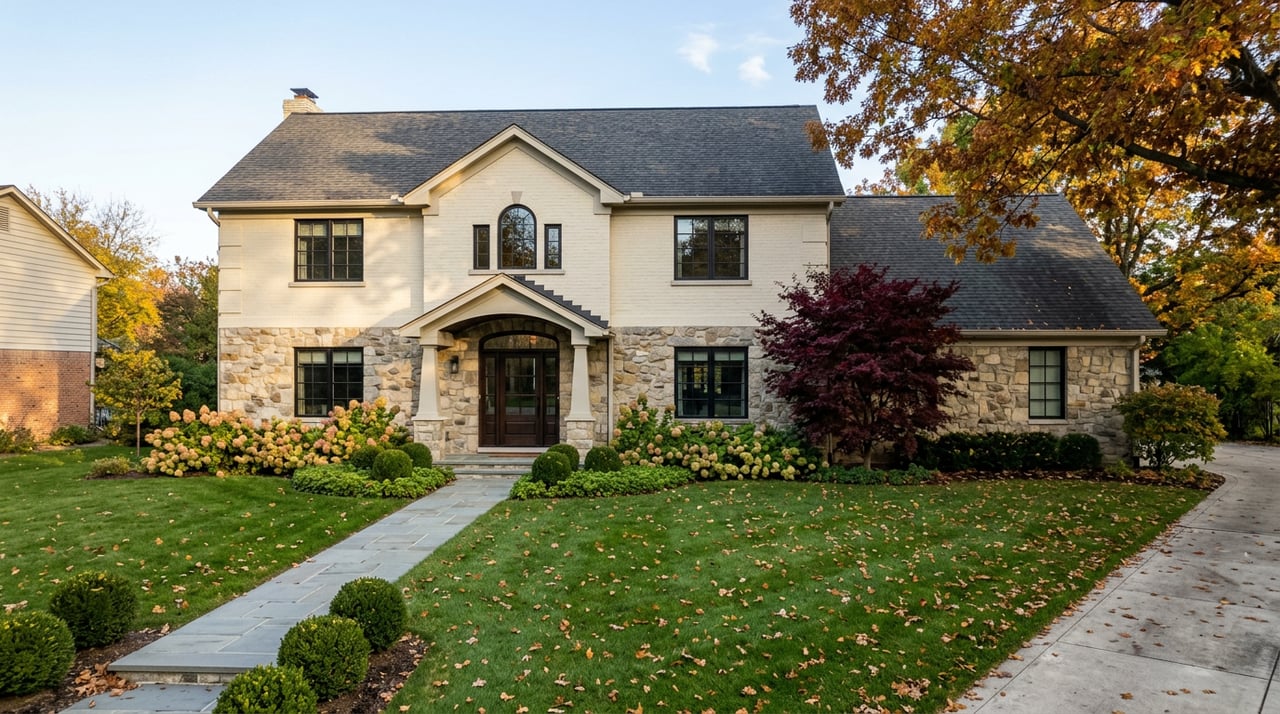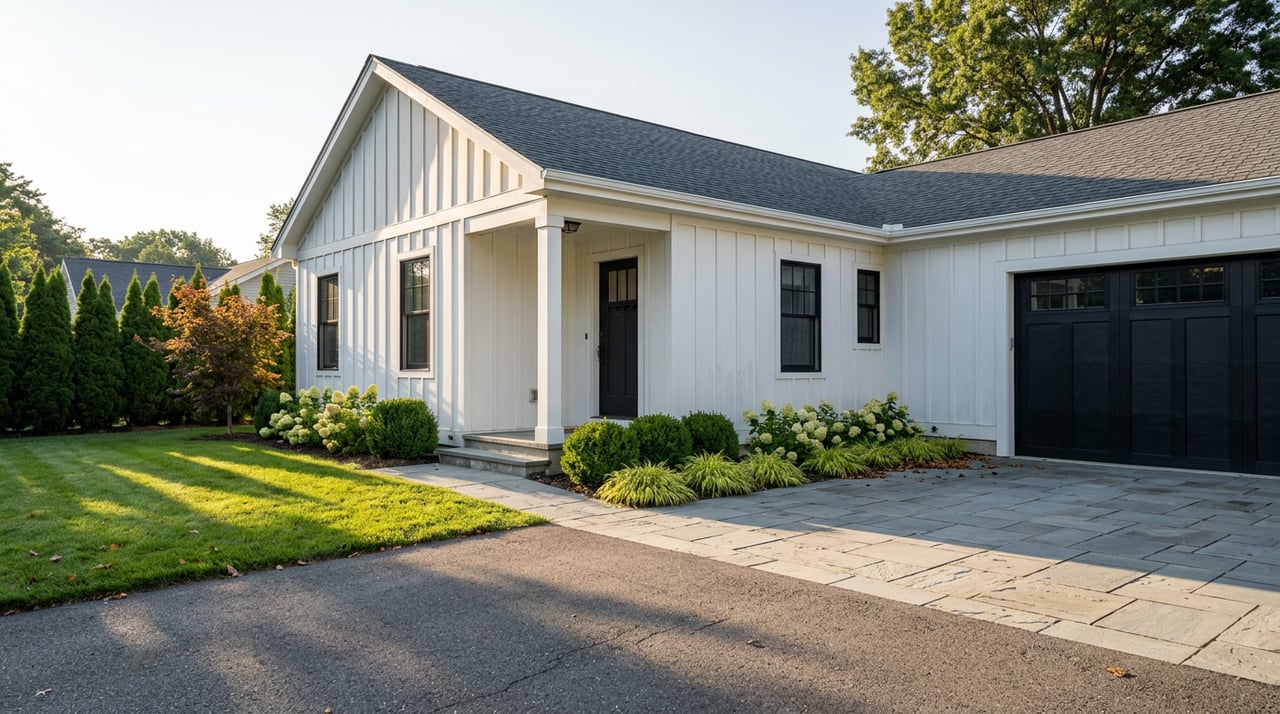
If maintaining a larger home in Rye is starting to feel like more work than reward, you are not alone. Many longtime owners reach a point where the yard, exterior upkeep, and extra rooms no longer match how they want to live day to day. If you are wondering whether a condo or townhome could give you more convenience without giving up Rye, this guide will help you weigh the tradeoffs and move forward with clarity. Let’s dive in.
Why downsizing in Rye stands out
Rye offers a rare mix of convenience and lifestyle in a compact setting. The city highlights downtown shopping and restaurants, public parking, Recreation Park, Rye Town Park, and Playland, all within a market that also benefits from Metro-North service on the New Haven Line. For many homeowners, that makes lower-maintenance living more appealing because you can stay close to the things you already enjoy.
The market conditions also matter. As of March 2026, Redfin reports a median sale price of $2.2 million across all home types in Rye, with homes averaging 41 days on market, and Realtor.com describes Rye as a seller’s market. If you have owned your home for years, you may have meaningful equity that could be redirected into a smaller home that better fits your next chapter.
What you may gain from a condo
The biggest reason people downsize is simple: less maintenance. In a condo or townhome setting, exterior upkeep and many shared responsibilities are often handled through the association instead of falling entirely on you. That can mean less time worrying about snow removal, landscaping, and building maintenance.
In Rye, that lifestyle shift can be especially attractive because so much is already nearby. If you want easier access to downtown errands, restaurants, parks, or the train, a well-located condo may reduce the need to drive for every task. For some buyers, that convenience matters just as much as the square footage.
You may also find amenities that are hard to justify in a single-family home. Current Rye listings show options ranging from older downtown units with garage parking, storage, and common laundry to newer residences with elevator access, fitness centers, pools, and covered parking. That means downsizing does not always mean sacrificing comfort.
What you may give up
Downsizing also comes with real tradeoffs, and it helps to be honest about them. If privacy, a private yard, or extra storage are still central to how you live, a condo may feel more limiting than freeing. Shared walls, building rules, and common spaces are a different experience from a detached home.
Inventory is another challenge in Rye. Condo supply is limited, with only a small number of units typically available at one time, and prices can range widely from older downtown residences to luxury new construction near or above $1.5 million. You may find the right fit, but you may need patience and be ready to act quickly when the right property comes to market.
Condo versus townhome in Rye
Not every townhouse-style property works the same way. In New York, the Attorney General advises buyers to read the offering plan carefully because the ownership structure matters more than the label used in the listing. Items like roadways, sidewalks, drainage systems, and retaining walls may be part of the common property or handled differently depending on the development.
That means you should not assume a townhome gives you the same responsibilities or freedoms as a detached house. Two properties that look similar on the outside can have very different rules, costs, and maintenance obligations. Before you buy, it is important to understand exactly what you own and what the association maintains.
Costs to compare before you move
A smaller home does not always mean a lower monthly cost. In Rye, your carrying cost for a condo often includes your mortgage, property taxes, insurance, and common charges. Depending on the building, those common charges can cover a lot, or they can be substantial enough to change the math.
Current Rye listings show how wide that range can be. One downtown condo lists common charges of about $549.78 and says they include gas, heat, hot and cold water, garage electricity, garbage removal, snow removal, landscaping, and building maintenance. A newer luxury condo lists HOA dues above $3,000 and includes garage and community pool access.
Property taxes also remain part of the picture. Rye’s assessor establishes the assessed value and taxable status of each parcel and uses the roll to apportion City, County, and School District taxes. If the condo will be your primary residence, you may also qualify for STAR, and eligible seniors may qualify for enhanced STAR, subject to income rules.
Why due diligence matters more than many buyers expect
When you buy a condo or townhome, you are not just evaluating the unit. You are also evaluating the building, the association, and the financial health behind it. The New York Attorney General advises buyers to closely review the facade, roof, elevators, heating and cooling systems, windows, electrical, and plumbing, while also reading board minutes and recent financial reports.
That review can help you spot signs of future costs. If a building has major repair needs, those expenses may affect dues or other charges depending on the governing documents. Even well-kept older buildings can have maintenance needs, which is why reading the full offering plan and consulting an attorney before signing is strongly recommended.
Rye also offers useful local records that can help you verify details. The city’s property record cards may include room counts, permit numbers, certificate-of-occupancy numbers, amenities, sales history, assessment history, and an exterior sketch. The Building Department also provides permit information that can help confirm what was added, altered, or approved.
Commuting and convenience can tip the decision
For many Rye homeowners, location is the reason downsizing works. The city manages downtown and commuter parking, and the Rye Metro-North station offers accessible features and ticket machines. If you still commute into Manhattan or want easy rail access for flexibility, being closer to the station and downtown can improve your daily routine.
That same logic applies to recreation and errands. Rye’s Recreation Department highlights parks, programs, and senior activities, while Recreation Park offers tennis, pickleball, a playground, athletic fields, and other shared amenities. If you use the city more and your house less, a smaller home may feel like a smart trade.
How to time the move
For many downsizers, the cleanest path is to sell first and buy second. That approach can help you unlock home equity, define your budget more clearly, and reduce the risk of carrying two properties at once. It also gives you a clearer view of what your next monthly payment will actually feel like.
If your timing does not line up perfectly, bridge financing may be available for short-term overlap. Federal rules recognize bridge loans with terms of 12 months or less for someone selling a current dwelling while purchasing a new one. Still, added financing costs should be reviewed carefully before you choose that route.
You will also want to plan for transaction costs. Closing costs typically range from 2% to 5% of the purchase price, not including your down payment. When you run the numbers, make sure you account for moving costs, short-term overlap, and the ongoing carrying cost of the condo or townhome you are considering.
What Rye sellers should know now
If you are selling a detached home in Rye, disclosure planning matters. Beginning July 1, 2025, New York’s Property Condition Disclosure Statement is required for most residential real property sales. The state form says condominium units and cooperative apartments are excluded, which makes the sale of your current house and the purchase of your next condo very different from a document and due-diligence perspective.
That difference is one more reason to build a plan early. Selling a house, reviewing condo documents, coordinating dates, and deciding how much space you really want all take time. A thoughtful strategy can reduce stress and help you avoid rushing into a property that does not truly fit your goals.
A simple way to decide
A condo or townhouse-style home in Rye can be a strong fit if your top priorities are lower maintenance, walkability, and easier access to the train, downtown, and parks. It can also make sense if you want to free up equity and simplify your day-to-day responsibilities. In a market with Rye’s amenities and seller-friendly conditions, that path can be very appealing.
On the other hand, staying in a detached home may still be the better choice if you value privacy, a private yard, or the lowest possible monthly carrying cost. Downsizing works best when it supports the way you actually live, not just the idea of having less space. The right answer is the one that fits your finances, routine, and comfort level.
If you are considering a move in Rye, the smartest next step is to compare your current home value, likely net proceeds, and realistic condo or townhome options side by side. The team at Gino Bello Homes can help you think through timing, pricing, and what a lower-maintenance move would really look like in today’s market.
FAQs
Should you downsize to a condo in Rye if you want less maintenance?
- Yes, a condo or townhome in Rye may reduce exterior upkeep and many shared maintenance responsibilities, but you should still review the building’s documents, financials, and monthly charges carefully.
How much do condos cost in Rye?
- Rye condo pricing varies widely, with limited supply and options that range from older downtown units around the mid-hundreds of thousands to newer luxury residences near or above $1.5 million.
What monthly costs should you expect with a Rye condo?
- You should expect to budget for your mortgage, property taxes, insurance, and common charges, with dues ranging from more moderate amounts in older buildings to much higher figures in luxury developments.
Does a Rye townhome always mean simpler ownership?
- No, in New York the legal ownership structure matters more than the word townhome, so you should review the offering plan to understand what is common property and what maintenance obligations come with the home.
Is selling your Rye house before buying a condo usually the best move?
- For many downsizers, yes, because selling first can unlock equity, clarify your budget, and reduce the risk of paying for two homes at the same time.
Can Rye condo owners qualify for STAR?
- Primary-residence condo owners may qualify for STAR, and eligible seniors may qualify for enhanced STAR, subject to income rules and local requirements.