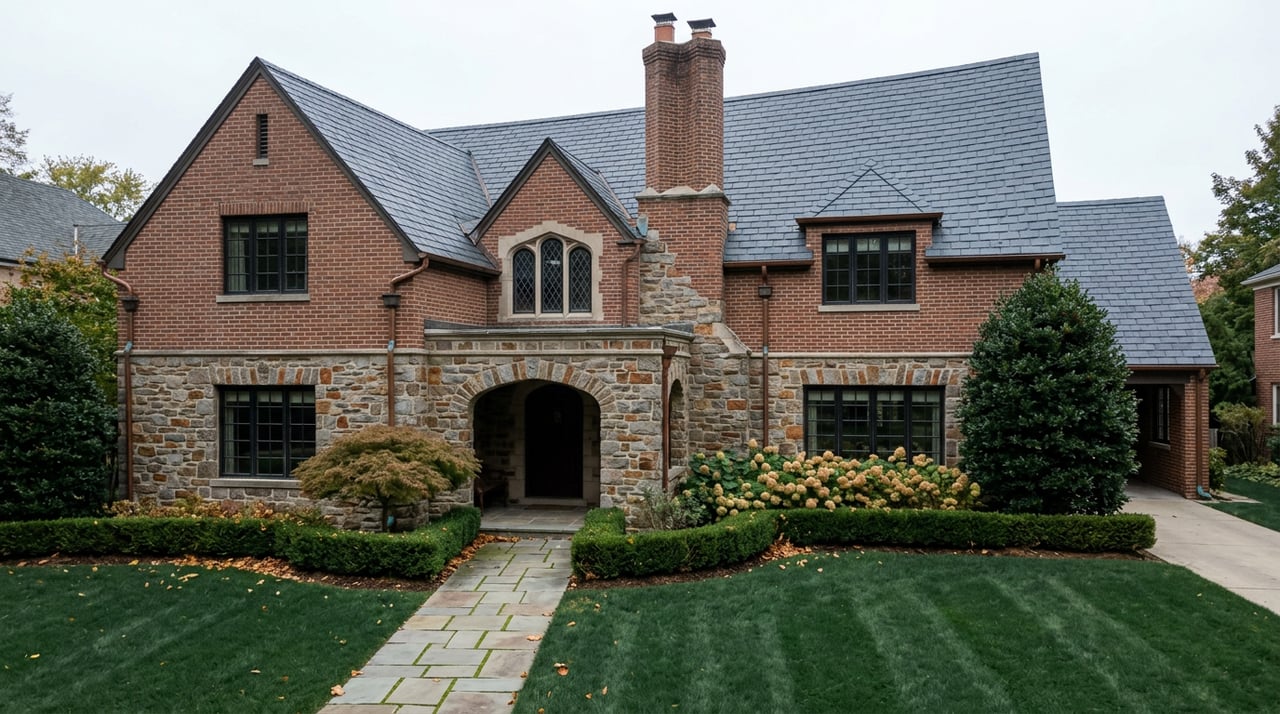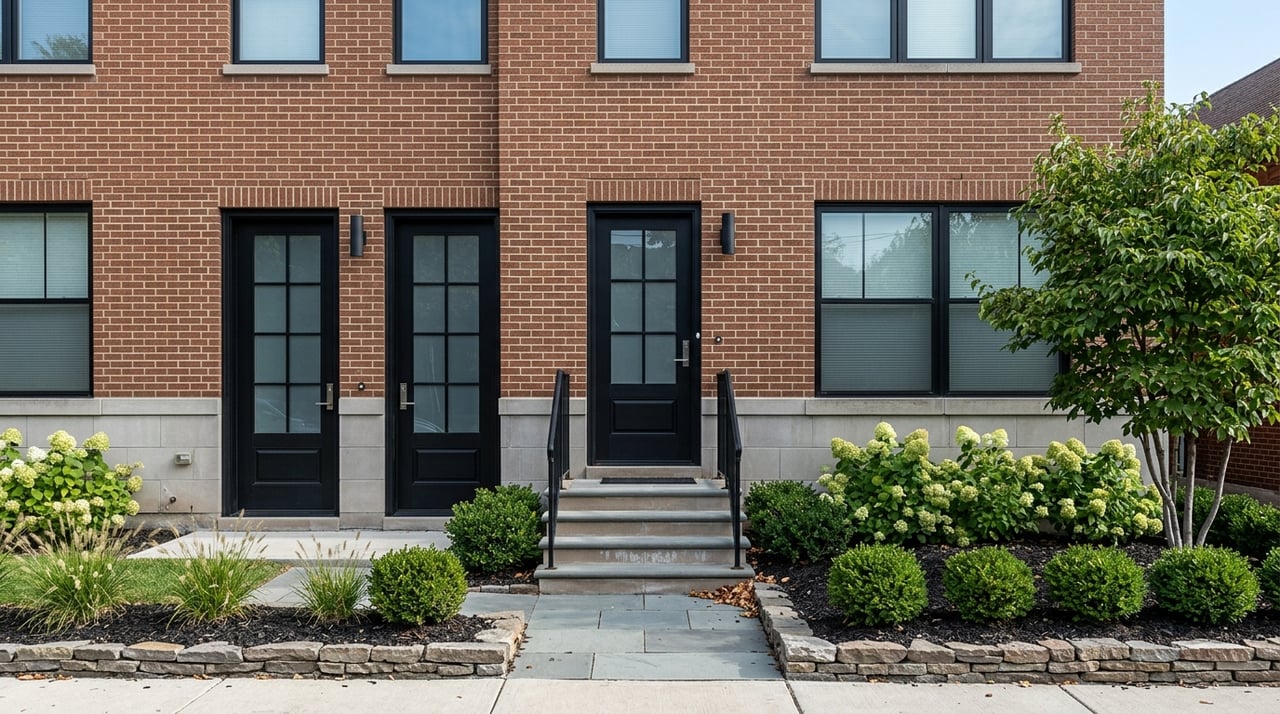
Thinking about buying a 2-family, 3-family, or 4-family property in Yonkers? It can be a smart way to offset your housing costs or build long-term income, but only if the numbers and the legal details truly work. In Yonkers, unit count, basement status, taxes, and permit history can change a deal fast, so doing careful homework matters. This guide walks you through what to verify before you buy and how to underwrite a small multifamily property with more confidence. Let’s dive in.
Why Yonkers Gets Attention
Yonkers sits in a price and rent range that can attract buyers looking for small multifamily opportunities, including owner-occupants and house-hackers. In March 2026, Realtor.com reported a median listing price of $349,000 and a median rent of $2.7K.
Current rental trackers also show 2-bedroom rents generally landing around the high-$2,000s to low-$3,000s, while 3-bedroom rents often fall in the low-to-mid $3,000s. Apartments.com reported May 2026 averages of $3,037 for 2-bedrooms and $3,167 for 3-bedrooms, while Rentometer showed medians of $2,899 for 2-bedrooms and $3,200 for 3-bedrooms.
That said, citywide averages can only take you so far. Yonkers has a balanced market, and with hundreds of rentals in circulation, condition, layout, parking, and legal status can matter just as much as the address itself. The real test is what similar legal units are renting for on that specific block or in that immediate neighborhood.
Start With Legal Unit Count
Before you get excited about projected rent, confirm what the property is legally allowed to be. In Yonkers, the Department of Housing and Buildings handles permits, certificates of occupancy, inspections, and code enforcement.
Your first question should be simple: does the current use match the certificate of occupancy and permit history? A property advertised as a 3-family may not be legal as a 3-family if the documents do not support that use.
This is one of the biggest risk points in small multifamily buying. If a seller or listing markets extra space as income-producing, but that space is not recognized in the records, your financing, insurance, renovation plans, and rental income assumptions can all be affected.
What to Ask For
When you review a small multifamily in Yonkers, ask for:
- The current certificate of occupancy
- Permit history
- Records showing any alterations or conversions
- Floor plans, if available
- Documentation for finished lower-level space
Yonkers processes permits online through City Squared, and the city notes that permit submissions require items such as a transmittal letter, plans, and insurance documentation. The city also notes that permits may be refused if property taxes are delinquent, which is another reason to verify the file carefully.
Be Careful With Basements
Basement income is one of the easiest ways to overestimate a deal. Yonkers has clear rules here, and they are stricter than many buyers expect.
Under the city housing code, a cellar cannot be used as a dwelling unit at all. A basement may be habitable only if it meets code requirements for waterproofing, windows, ventilation, and ceiling clearance.
That means a finished lower level is not automatically a legal apartment. Fresh flooring, a kitchenette, or a separate entrance does not prove legal dwelling status.
How to Think About Lower-Level Space
When you tour a property, separate lower-level space into one of these buckets:
- Legal dwelling space supported by documents and code compliance
- Finished space that may be useful but not a legal rental unit
- Informal living space that should not be counted as rentable housing
If the numbers only work because of basement rent, pause and verify everything before moving forward. This is a good place to bring in your attorney and a contractor or code professional before you rely on that income.
Accessory Apartments Are Not a Shortcut
Some buyers assume an accessory apartment can solve a unit-count issue. In Yonkers, that usually is not a practical workaround for small multifamily investing.
The city’s accessory-apartment rules are narrow. They apply only to single-family detached homes, require the owner to live in the principal home, limit the property to one accessory apartment with no more than two bedrooms, require at least two off-street parking spaces, and allow occupancy only by specified relatives. Units without a certificate of occupancy are prohibited.
In other words, if you are analyzing a 2-family or 3-family purchase, do not treat accessory-apartment rules as a substitute for a truly legal multifamily layout.
Mixed-Use Needs Extra Review
Some Yonkers properties include a storefront, office, or another commercial component on the ground floor. Others may tempt buyers who want to change the use after closing.
If a property is mixed-use, or if you plan to convert the use, review it with extra care. Yonkers requires a new certificate of occupancy for use changes, and mixed-use properties may also be subject to district-specific rules for site plan, parking, and signage.
A mixed-use building can still be a good opportunity, but it needs a different level of diligence. You want to know exactly what is legal today, what approvals would be needed for changes, and whether the current income setup matches the records.
Check Rent Regulation Early
Rent regulation can affect how you underwrite future income, vacancy assumptions, lease renewals, and rent growth. In Yonkers, this is especially important when you move beyond very small properties.
Westchester County lists Yonkers as an ETPA municipality. According to the county, rent stabilization outside New York City generally applies to non-rent-controlled apartments in buildings of six or more units built before January 1, 1974, in municipalities that adopted ETPA.
For many buyers focused on 2- to 4-unit properties, the practical takeaway is that many small buildings may not be ETPA-covered. But once you look at a 6-plus-unit building, you should check carefully before making assumptions about turnover, renewal terms, or future rent increases.
Source-of-Income Rules Matter Too
Westchester County fair housing materials state that source-of-income discrimination is prohibited, including Section 8 and other subsidies. The county also notes exemptions for co-ops, condos, and buildings with fewer than six units.
For small multifamily buyers, that means screening rules can look different depending on building type and unit count. This is another reason to review your specific property and operating plan with an attorney before closing.
Underwrite Taxes the Right Way
Property taxes can make or break a small multifamily purchase in Yonkers. Do not estimate taxes from a listing sheet and assume the numbers will be close enough.
Yonkers provides a parcel and tax portal, and the city explains that property taxes are determined by taxable assessment and the tax levy. For fiscal year 2026, the city real estate tax rate is $963.14 per $1,000 of assessed value.
City taxes are paid in three installments, and late payments accrue 15% annual interest. For underwriting, the key point is simple: verify the actual parcel assessment and current tax bill instead of backing into a tax estimate from the sale price.
Use Real Rent Comps, Not One Average
Rent assumptions need the same discipline as tax analysis. The Yonkers data in current reports is useful for framing the market, but not for setting exact pro forma numbers.
A 2-bedroom in one part of Yonkers may support a very different rent than a similar unit elsewhere depending on condition, updates, parking, layout, and whether the apartment is legally configured. That is why neighborhood-level and unit-specific comps matter more than a single citywide average.
A Better Way to Underwrite Rent
Build your rent estimate using:
- Comparable legal units nearby
- Similar bedroom count and layout
- Similar condition and updates
- Similar parking or outdoor features
- Similar owner-paid versus tenant-paid utilities
If a listing advertises unusually high income, ask what supports it. Strong underwriting is built on what comparable legal units are actually achieving, not on best-case marketing numbers.
Budget for Older Building Issues
Many Yonkers multifamily properties are older, and that creates both opportunity and risk. Older buildings can offer more space and better entry pricing, but they may also come with deferred maintenance or compliance costs.
Westchester County says more than 85% of the county’s housing stock was built before 1978. That makes lead-paint review an important part of your due diligence and rehab planning.
Even if you are buying a property in decent condition, it is smart to build in a realistic repair and safety budget. Cosmetic updates are one thing. Lead-related work, code corrections, and lower-level compliance issues are another.
Build the Right Review Team
Small multifamily deals often look straightforward on the surface, but the details matter. Before you close, make sure the property has been reviewed by the right professionals.
A strong buyer team should include:
- A lender to review financing assumptions
- A real estate attorney to review legal use, leases, and local compliance issues
- A CPA to discuss tax treatment and cash-flow assumptions
- A contractor or code professional to review condition, lower-level space, and possible repairs
This step is especially important if your strategy depends on basement income, a future conversion, or a mixed-use component. Getting clarity before closing is far easier than fixing an issue after you take title.
A Smart Yonkers Buying Checklist
If you want a simple way to pressure-test a deal, start here:
- Confirm the legal unit count with the certificate of occupancy
- Review permit history for additions, conversions, or finished lower levels
- Verify whether basement space is legal habitable space or not
- Check whether any mixed-use element is legal under the current use
- Review whether ETPA may apply, especially in 6-plus-unit buildings
- Confirm the actual tax assessment and current bill
- Underwrite rents using nearby legal comps, not a citywide average alone
- Budget for lead-safety review and older-building repairs
- Speak with a lender, attorney, CPA, and contractor before closing
If a property still makes sense after all of that, you are likely looking at the right kind of opportunity.
Buying a small multifamily in Yonkers can be a smart move, but the strongest deals are usually the ones that stand up to boring, detailed verification. When you know the legal unit count, understand the taxes, and underwrite rent conservatively, you put yourself in a much better position to buy with confidence.
If you are exploring small multifamily opportunities in Yonkers and want a local, practical perspective on how a property fits the market, connect with Gino Bello Homes.
FAQs
What documents prove legal unit count for a Yonkers multifamily?
- The key documents are the current certificate of occupancy, permit history, and records of any alterations or conversions that support the building’s present use.
Can you rent out a basement apartment in Yonkers?
- Not automatically. A cellar cannot be used as a dwelling unit, and a basement must meet code standards and be supported by the proper documents to be considered legal habitable space.
Do small multifamily buildings in Yonkers fall under rent stabilization?
- Many 2- to 4-unit properties may not be covered, but Westchester County lists Yonkers as an ETPA municipality, so any building with six or more units should be reviewed carefully for possible coverage.
How should you estimate rent for a Yonkers multifamily purchase?
- Use neighborhood-level, unit-specific comps for similar legal apartments with comparable size, condition, layout, and features instead of relying only on one citywide average.
Why are Yonkers property taxes so important in underwriting?
- Yonkers taxes are based on taxable assessment and the tax levy, so you should verify the actual parcel assessment and current bill rather than rely on listing estimates or sale price assumptions.
What professionals should review a Yonkers multifamily deal before closing?
- At a minimum, speak with a lender, real estate attorney, CPA, and contractor or code professional, especially if the deal depends on basement income, a conversion, or mixed-use space.