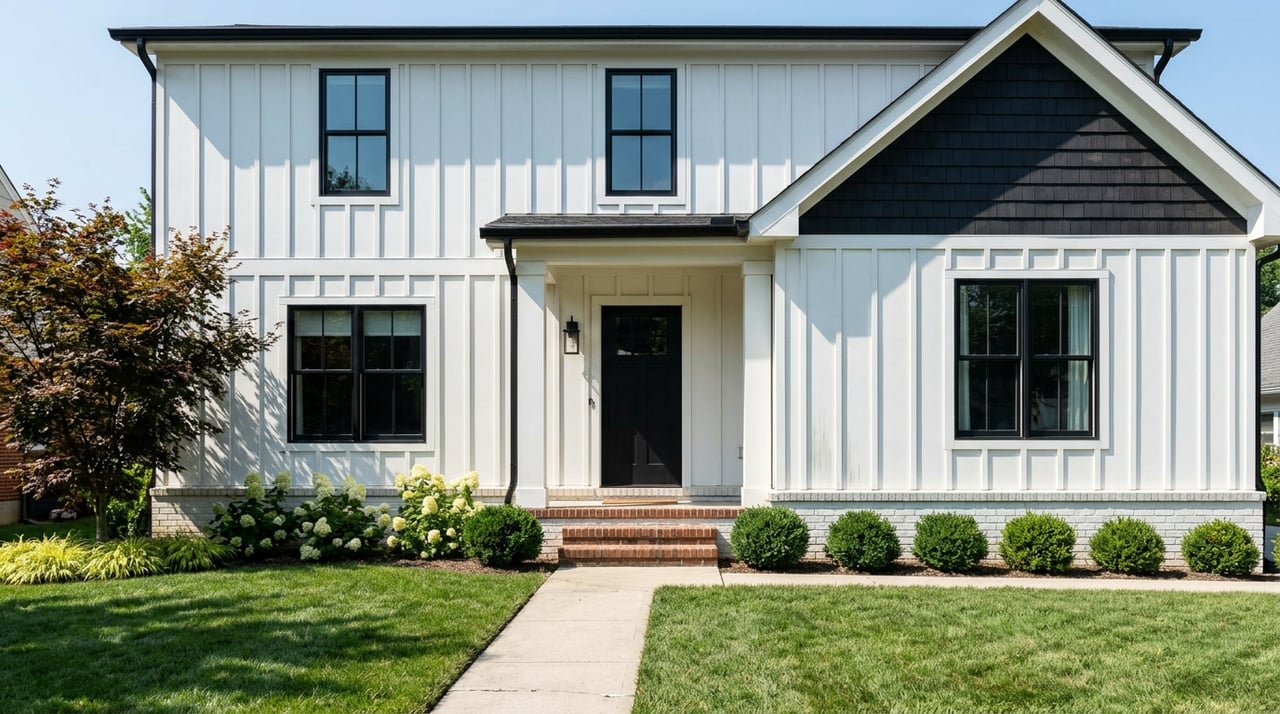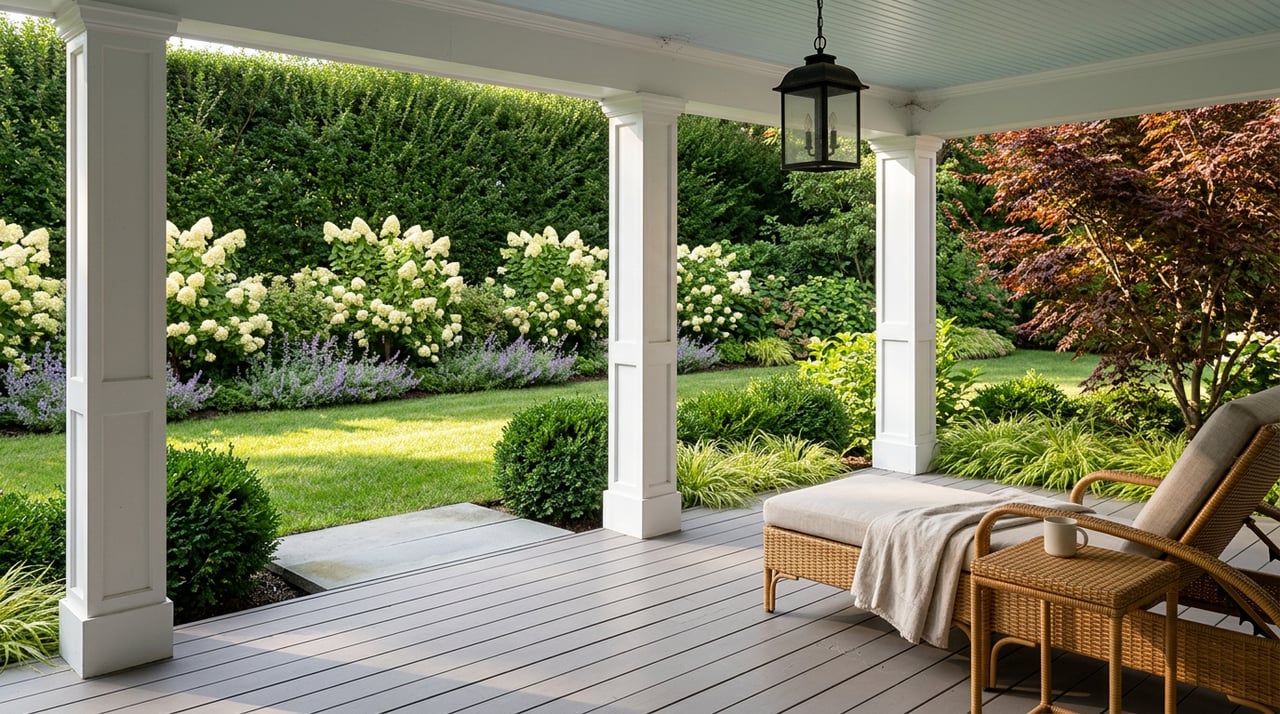
A second home in Stamford can be a true escape, but it only feels relaxing when it works well in every season. If you want to use your property beyond a few summer weekends, you need more than cozy interiors and a pretty view. You need a smart plan for weather, water, access, and comfort so the house is ready when you are. Let’s dive in.
Start With Stamford's Local Conditions
In Stamford, year-round comfort starts outside the walls of the home. Delaware County identifies flooding, severe storms, and severe winter storms as recurring concerns, and its risk materials also note ice storms, ice jams, drought, wildfire, and power outages tied to steep elevation changes.
That matters because a second home is often vacant for stretches of time. A house that looks charming in fair weather may feel very different during a freeze, a heavy rain, or a storm-related outage. If you want a true four-season retreat, local site conditions should shape your priorities from day one.
Why the Lot Matters as Much as the House
The Village of Stamford's planning maps highlight flood hazards, steep slopes, wetlands, zoning, and developable land. In practical terms, that means you should look closely at drainage, grading, and access before you focus on cosmetic updates.
In this part of Delaware County, valley locations and areas near tributaries, rivers, and reservoirs can be more vulnerable to repetitive flooding. A home may still be appealing and usable, but the site needs a careful review if you plan to use it year-round.
Think About Access in Bad Weather
Road and driveway access can become a bigger issue in rural areas than many buyers expect. County hazard materials note that floods and severe storms can damage roads, bridges, culverts, and shoulders, which can affect not just your day-to-day use, but also contractor access when repairs are needed.
If you are converting a seasonal getaway into a regular retreat, it helps to think through how you will get in and out during winter weather or after major storms. That kind of planning supports both convenience and long-term property care.
Manage Water First
If you only tackle one major category of upgrades first, make it water management. In Stamford, protecting the home from drainage issues, runoff, and flood exposure is one of the most practical steps you can take.
Interior improvements are easier to enjoy when the structure and site are protected. Water problems can lead to higher repair costs, more maintenance, and less peace of mind when you are away.
Review Grading and Exterior Drainage
On sloped or low-lying lots, exterior drainage and grading deserve special attention. Stamford's local maps specifically call out both flood hazards and steep slopes, which makes the outside of the property just as important as the inside.
Look at how water moves across the lot during heavy rain or snowmelt. A year-round home should direct water away from the structure and avoid pooling near the foundation, walkways, or driveway.
Check Flood Risk Early
Flood risk is not something to assume based on appearance alone. Flooding can happen outside the highest-risk areas, and standard homeowners insurance does not cover flood damage.
FEMA flood maps are the official way to check mapped flood hazards. For a second home owner, this is a key part of planning because it affects both resilience and carrying costs.
Weatherproof the Home Envelope
Once water issues are addressed, the next priority is keeping the home comfortable and efficient in all seasons. In a Stamford retreat, that usually means focusing on weatherization before bigger design projects.
NYSERDA recommends starting with a whole-house approach so you can see where energy is being lost and which improvements will make the biggest difference. That order can help you avoid spending on finishes before solving the problems underneath.
Focus on Air Sealing and Insulation
Air sealing and insulation are often the foundation of a four-season upgrade plan. They help the house hold heat in winter, stay more comfortable in summer, and reduce strain on heating and cooling systems.
For part-time owners, this also helps the home stay more stable when it sits empty. A house that maintains temperature more efficiently is easier to manage remotely and often less expensive to operate.
Upgrade Windows and Doors Wisely
NYSERDA notes that heat gain and loss through windows account for 25% to 30% of home heating and cooling energy use. It also says ENERGY STAR windows can lower household utility bills by an average of 12%.
If windows, doors, or skylights need replacement, it often makes sense to do that as part of a broader renovation rather than as a separate project later. Pairing those upgrades with insulation and air sealing can improve long-run value and comfort.
Choose Heating That Fits Four-Season Use
A year-round retreat needs dependable heating that can handle Catskills-adjacent winters. If the home was used only seasonally before, the existing system may not match how you plan to live in it now.
New York's Clean Heat program supports cold-climate air-source heat pumps, ground-source heat pumps, and heat pump water heaters. Rebates, financing, tax credits, and contractor networks may also be available through the program.
Consider Heat Pumps for Comfort and Flexibility
Cold-climate heat pumps can be especially appealing for a property you use throughout the year. They can support both heating and cooling, which makes them useful for homes that need to handle changing mountain weather.
Because every property is different, the best system depends on the home's size, layout, insulation, and existing equipment. That is one reason a whole-house assessment can be so helpful before you commit to major mechanical upgrades.
Add Remote Controls for Peace of Mind
If you do not live in Stamford full time, remote monitoring can make the home much easier to manage. Simple digital tools can help you protect the property while also making it more comfortable when you arrive.
This is one of the easiest ways to turn a second home into a true retreat instead of a recurring to-do list. The goal is to know what is happening at the property without needing to be there every week.
Use Smart Thermostats and Energy Controls
NYSERDA says smart thermostats and home-energy-management systems are especially useful for part-time properties. You can control heat and lighting from a mobile app or dashboard, which helps you prepare the home before arrival and manage energy use when you are away.
That combination of comfort and oversight is valuable in a rural setting where weather can change quickly. It also helps reduce the stress of wondering whether the house is staying warm enough during a cold snap.
Verify Broadband at the Exact Address
If you plan to work remotely, stream entertainment, or rely on app-based home controls, internet service matters. The FCC's National Broadband Map allows you to search by address and view providers, technologies, and maximum advertised speeds.
That address-level check is especially important in rural areas. New York's ConnectALL program includes projects aimed at Stamford and rural Delaware County, but service still needs to be verified at the exact property.
Build a Seasonal Maintenance Plan
A year-round retreat should not depend on memory alone. The more consistent your maintenance routine is, the easier it is to keep the property comfortable, functional, and ready for use.
This matters even more when the home is vacant for part of the year. In Stamford, routine care for water systems, winter prep, and local updates should all be part of your plan.
Stay Ahead of Well and Septic Care
Many Delaware County residents rely on groundwater and private wells, so annual well testing is important for rural properties. EPA guidance recommends annual testing for total coliform bacteria, nitrates, total dissolved solids, and pH using certified labs or local health department resources.
Septic systems also need regular care. EPA says average household septic systems should be inspected at least every three years and pumped every three to five years, while systems with pumps or mechanical parts generally need annual inspection.
Prepare for Winter Before It Arrives
Winter prep should happen before the cold season, not after the first freeze. If the home has window-unit air conditioners, it is useful to remove them or cover them tightly before winter.
It also helps to review driveway access, snow management, and service contacts ahead of time. In a storm-prone area, small steps taken early can save you a lot of trouble later.
Use Local Updates and Resources
The Village of Stamford website offers news and notices, forms and permits, property maintenance information, online payments, and a subscribe-to-updates feature. For part-time owners, that can be a practical way to stay informed.
Cornell Cooperative Extension of Delaware County also offers energy resources focused on reducing energy use, improving comfort, and helping residents save money. These local tools can support better decisions as you upgrade and maintain the property.
A Simple Upgrade Order That Makes Sense
If you are not sure where to begin, the clearest path is often the most effective one. In Stamford, the practical order is to manage water first, weatherproof the home next, and then add remote controls and verified connectivity.
That sequence lines up with local conditions and year-round ownership needs. It helps you protect the property, improve comfort, and use your budget where it will matter most.
If you are buying, selling, or evaluating a second home with four-season potential, a calm, local, property-specific strategy can make all the difference. When you want experienced guidance on the next move, connect with Gino Bello Homes.
FAQs
What makes a Stamford second home suitable for year-round use?
- A Stamford second home is better suited for year-round use when you evaluate flood risk, drainage, slope, heating, insulation, winter access, and internet service, not just finishes and layout.
What upgrades should come first in a Stamford year-round retreat?
- For a Stamford property, start with water management and site drainage, then move to weatherization such as air sealing, insulation, and windows, and then consider heating upgrades and remote controls.
How can you check flood concerns for a Stamford property?
- You can review mapped flood hazards through FEMA flood maps and compare that with local Stamford planning maps that identify flood hazards, steep slopes, and wetlands.
Why is broadband verification important for a Stamford second home?
- Broadband should be checked by exact address because rural service can vary significantly from one property to the next, which matters if you plan to work remotely or use smart-home tools.
How often should well and septic systems be checked at a Stamford rural property?
- Private wells should be tested annually, and septic systems should typically be inspected at least every three years and pumped every three to five years, with more frequent checks for systems that use pumps or mechanical parts.