Deciding between a brand-new build or a resale home in Rye can feel like two very different roads to the same destination. You want the right fit for your budget, timeline, and long-term goals, and Rye’s unique market adds a few twists. In the next few minutes, you’ll learn how costs, permits, flood risk, and timelines compare, plus get simple checklists to move forward with confidence. Let’s dive in.
New construction in Rye
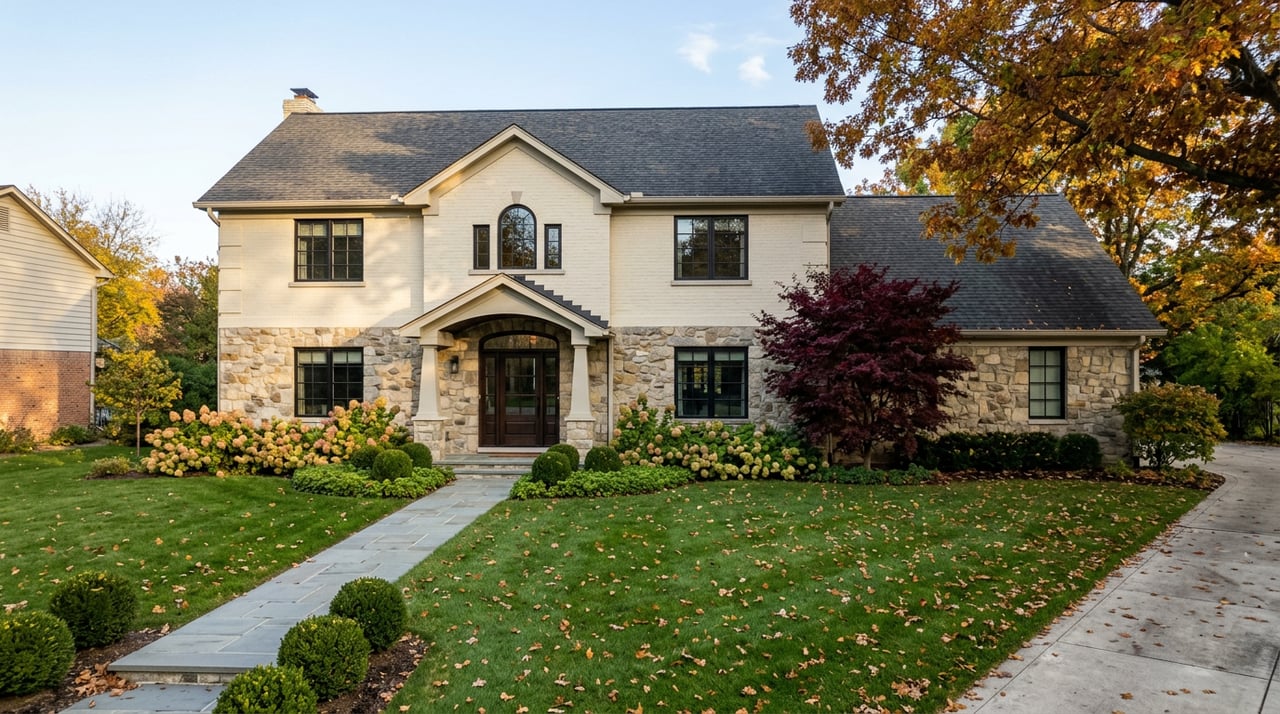
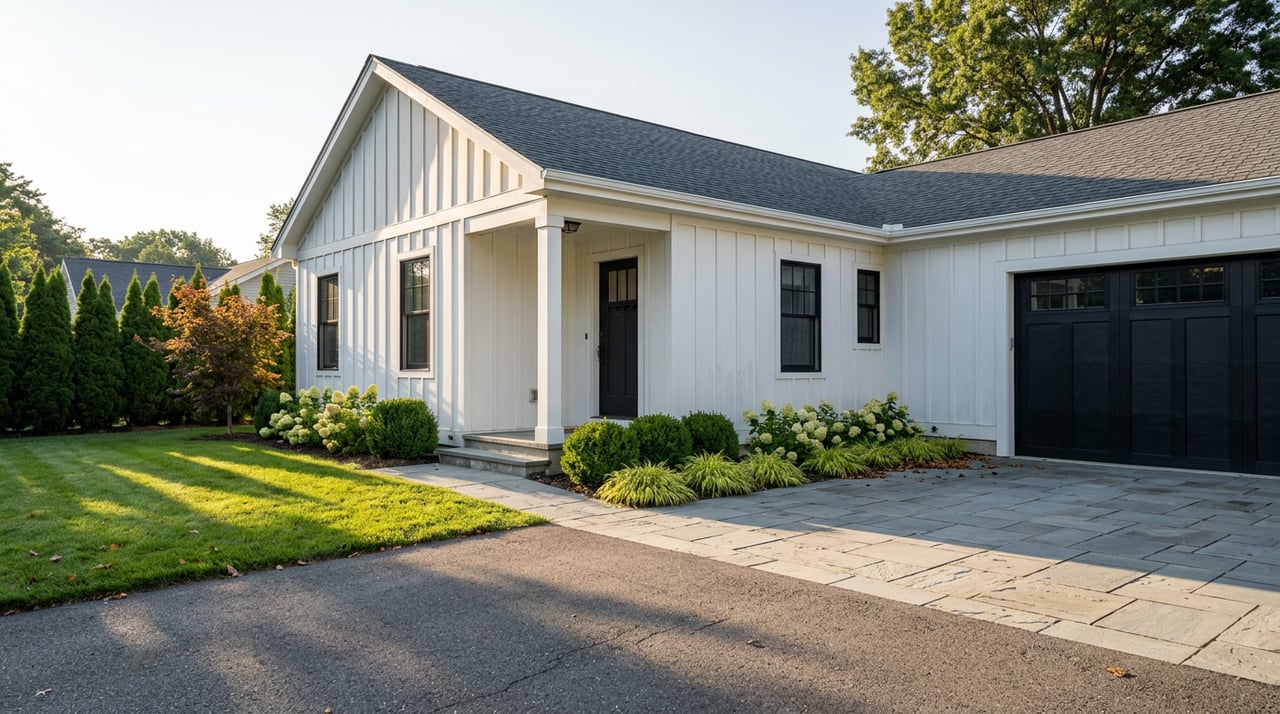
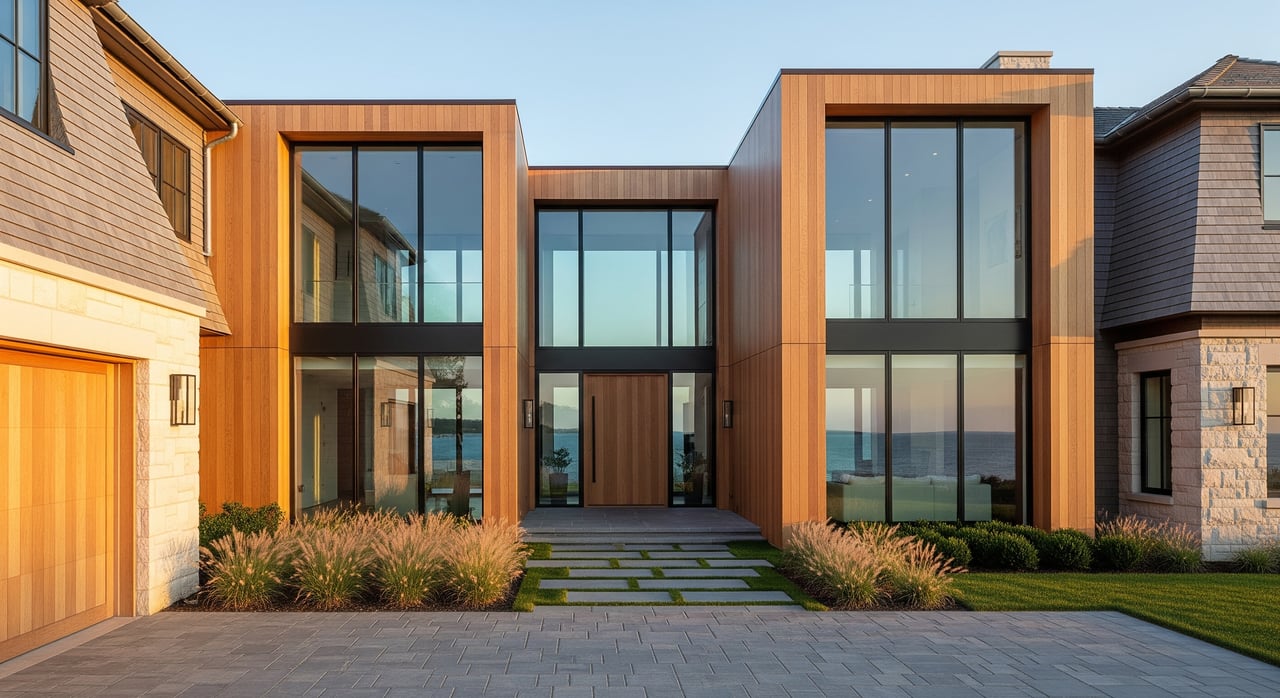
New construction in Rye often means infill builds, small-lot subdivisions, or replacing an older home with a new one. Truly vacant, buildable lots are limited, which tends to push new homes into higher price bands. You pay a premium for customization, modern systems, and a builder warranty. Timelines vary widely, especially if your site needs special approvals or complex utility work.
You’ll also want to account for the upfront work before building starts. Typical steps include surveys, architectural plans, zoning checks, and permit submissions. If your property is near the shoreline or wetlands, expect added reviews and potential mitigation requirements.
Resale in Rye
Resale homes offer faster paths to closing, often within 30 to 60 days. You can move in sooner and sometimes negotiate price when a property needs updates. In a market with limited new-home supply, resales may provide more options at different price points.
The tradeoff is potential maintenance or upgrades. Older homes may need roof, electrical, HVAC, or plumbing work. A thorough inspection and clear budgeting for near-term improvements help you avoid surprises after closing.
Cost and financing basics
- New construction costs: Land, demolition for teardowns, permits and impact fees, architect and engineer, site prep, and utility connections. Construction loans usually require higher down payments and interest-only payments during the build phase.
- Resale costs: Purchase price, standard closing costs, and immediate repairs or upgrades. You may have more room to negotiate when a home needs work.
- Carrying costs: For new builds, plan for property taxes, insurance, utilities, builder draw fees, and rate exposure before your permanent loan kicks in. For resales, budget for any immediate maintenance.
- Long-term costs: New homes often mean lower maintenance and better energy performance. Resales may have higher near-term repair needs but can still offer good value if systems are in solid shape.
Tip: For new builds, keep a 5 to 10 percent contingency for unexpected site issues. For resales, set aside funds for inspection findings.
Permits, zoning, and design review
Rye’s zoning rules govern setbacks, lot coverage, and floor-area limits. Most new builds and major alterations need building permits and potentially site plan or architectural review. If a project doesn’t meet current rules, a variance from the Zoning Board of Appeals may be required.
Some neighborhoods include historic districts or design standards. Homes in those areas can face material, style, or scale requirements that add time and cost. Always confirm boundaries and rules early.
Plan to provide certified surveys, engineered drainage plans, erosion control measures, and, if applicable, septic or sewer documentation. You will need a Certificate of Occupancy before moving in.
Coastal rules and flood risk
Rye’s shoreline setting is part of its appeal, and it also brings extra due diligence. Properties near Long Island Sound may fall within FEMA flood zones. Lenders will require flood insurance where applicable, and premiums can be substantial for higher-risk parcels. Elevation certificates, local stormwater rules, and state coastal or wetland permits may come into play.
If a home is in or near a mapped flood zone, factor insurance costs and potential mitigation (elevating systems, drainage upgrades) into your budget. For new builds, check these items before you finalize plans.
Timelines and quality controls
New construction can take several months for a straightforward infill project or 12 to 24 months for a custom build that triggers multiple approvals. Weather, permitting, and change orders can extend timelines. Independent inspections at key stages—foundation, framing, rough-in systems, and final—help protect your investment. Confirm what the builder’s warranty covers, how long it lasts, and whether it is transferable.
Resale purchases typically offer faster possession. A thorough home inspection, plus specialized inspections for items like chimneys, drainage, or environmental concerns, lets you negotiate repairs or credits before closing.
Renovate, teardown, or buy new
Not every older home is a teardown. Renovating can preserve character and sometimes offer better economics than starting from scratch. Teardowns include demolition permits, disposal costs, and a full permitting process for the new home. In Rye, the best long-term value often comes from designs that fit the lot, respect neighborhood character, and solve for modern living.
If you are assessing a specific property, compare the cost, timeline, and likely resale value for three paths: renovate, teardown-and-build, or purchase a different resale that is already move-in ready.
Decision framework: which path fits you
Choose new construction if you:
- Want customization, modern systems, and lower near-term maintenance.
- Have a flexible move-in date and can manage a longer timeline.
- Are comfortable with construction-loan financing and carrying costs.
- Have a site that clears zoning, coastal, and environmental reviews.
Choose resale if you:
- Need a faster move-in and clearer timeline to closing.
- Prefer a known street context and mature landscaping.
- Want to explore value in homes that need cosmetic updates.
- Aim to avoid the permitting and build-management process.
Buyer checklist: new construction
- Confirm zoning, setbacks, and floor-area limits with the local building and planning departments.
- Verify sewer versus septic status and any required utility work.
- Obtain pre-approval for a construction or construction-to-permanent loan; review draw schedules.
- Request builder references, completed-project tours, insurance, and warranty terms in writing.
- Review included specifications versus upgrades; document change-order procedures.
- Check FEMA flood maps and obtain or require an elevation certificate if applicable.
- Require independent inspections at key build stages and a final punch list.
Buyer checklist: resale
- Order a comprehensive home inspection; add specialized checks for older homes as needed.
- Review property tax history and recent utility bills.
- Confirm easements, any deed restrictions, or historic designations.
- Check FEMA flood maps and ask about past flood claims or mitigation.
- Align closing date, possession, and repair negotiations before signing.
Seller perspective in Rye
If you own an older home, you may be weighing a rebuild versus selling as-is. Start with accurate market comps for renovated or new homes near you, and compare them to likely sale prices for homes in current condition. Include carrying costs during a potential build and the time risk of a shifting market.
If permits, neighborhood review, or environmental constraints add too much complexity, targeted updates and strong presentation can be a better path. Strategic improvements to kitchens, baths, and curb appeal often deliver a high return, especially when paired with professional staging and marketing.
How Gino Bello Homes helps
You deserve clear guidance at every step. Our team pairs local market knowledge with a consultative approach to help you weigh new construction versus resale in Rye. For buyers, we help you clarify priorities, connect with reputable local pros, and structure protections in your contracts. For sellers, we provide precise comps, advise on renovate-versus-rebuild scenarios, and deliver full-service listing marketing to maximize your outcome.
Ready to talk through your options and next steps? Connect with Gino Bello Homes to get a clear plan for your move. Request a free home valuation and market consultation.
FAQs
How long does new construction in Rye take?
- Typically several months to more than a year, depending on permits, site complexity, and weather; build in contingencies for delays.
What costs do buyers miss with new builds?
- Beyond the base price: land, demolition, permits, design and engineering, site prep, utility hookups, construction-loan interest, taxes, and insurance during the build.
Are there special rules near Rye’s shoreline?
- Yes. Properties near Long Island Sound may be in FEMA flood zones and can trigger state or local coastal and wetland permits that add time and cost.
Is a teardown easier than renovating in Rye?
- Not always. Teardowns require demolition permits, full new-home approvals, and possible design review; renovating can be less complex but limited by the existing structure.
Do new homes have better resale value?
- It depends on location, finishes, market demand, and neighborhood fit. Well-scaled, quality new builds often hold value; oversized or out-of-place designs may face buyer resistance.