Thinking about trading the city pace for Catskills calm? If Stamford, NY is on your radar, you’re smart to get the lay of the land first. Moving to a rural, historic community has real perks, and it also comes with different logistics than a suburban or urban move. In this guide, you’ll learn what to expect from housing and utilities to taxes, schools, and a practical relocation timeline so you can move with confidence. Let’s dive in.
Stamford at a glance
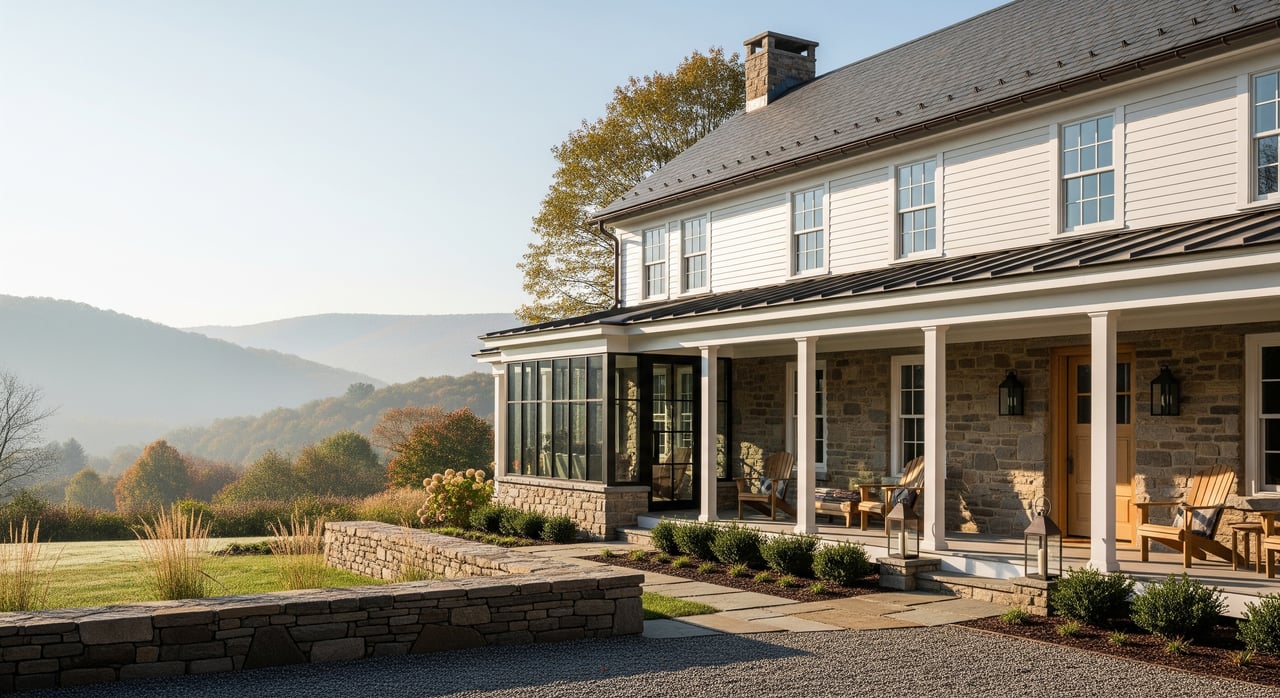
Stamford sits in Delaware County in the northern Catskills. You’ll find a quiet village center surrounded by rolling hills, farms, and four-season recreation. The appeal is clear: scenic views, space, and a slower rhythm.
You should also plan for rural realities. Infrastructure like private wells and septic systems is common, winters can be snowy, and specialized services are farther away. Understanding these trade-offs upfront helps you choose the right home and set a realistic budget.
Housing and neighborhoods
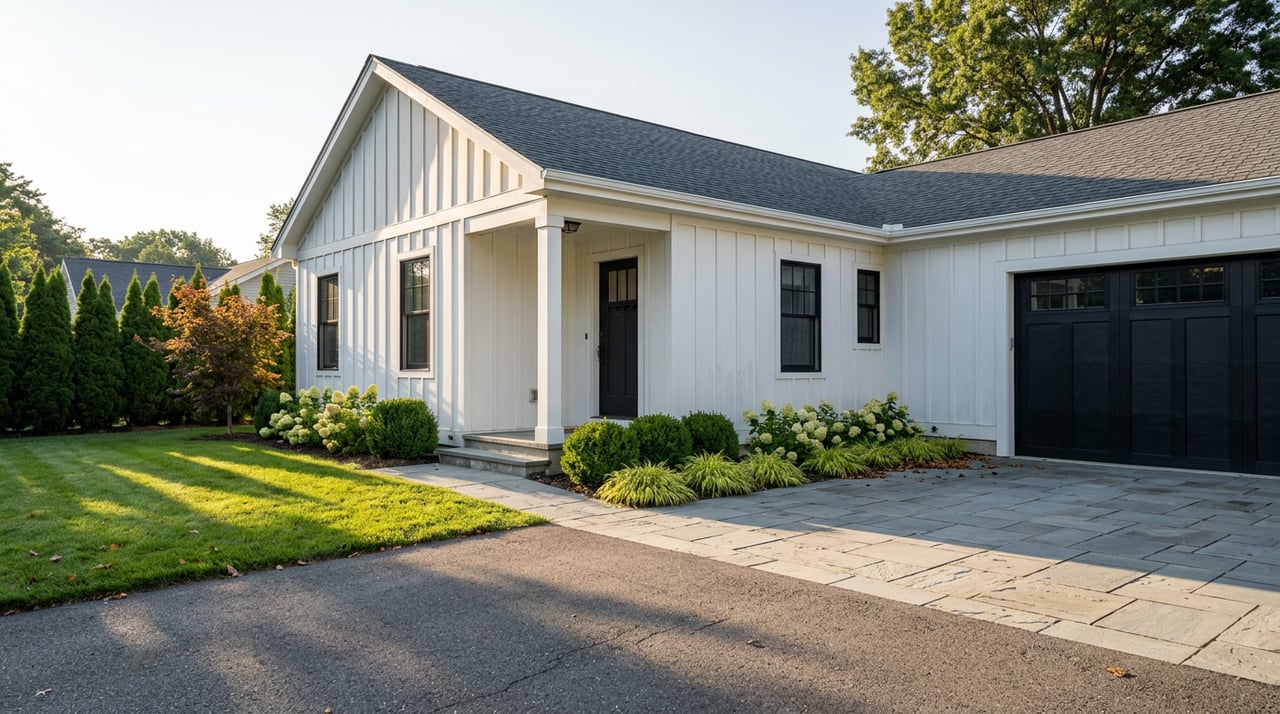
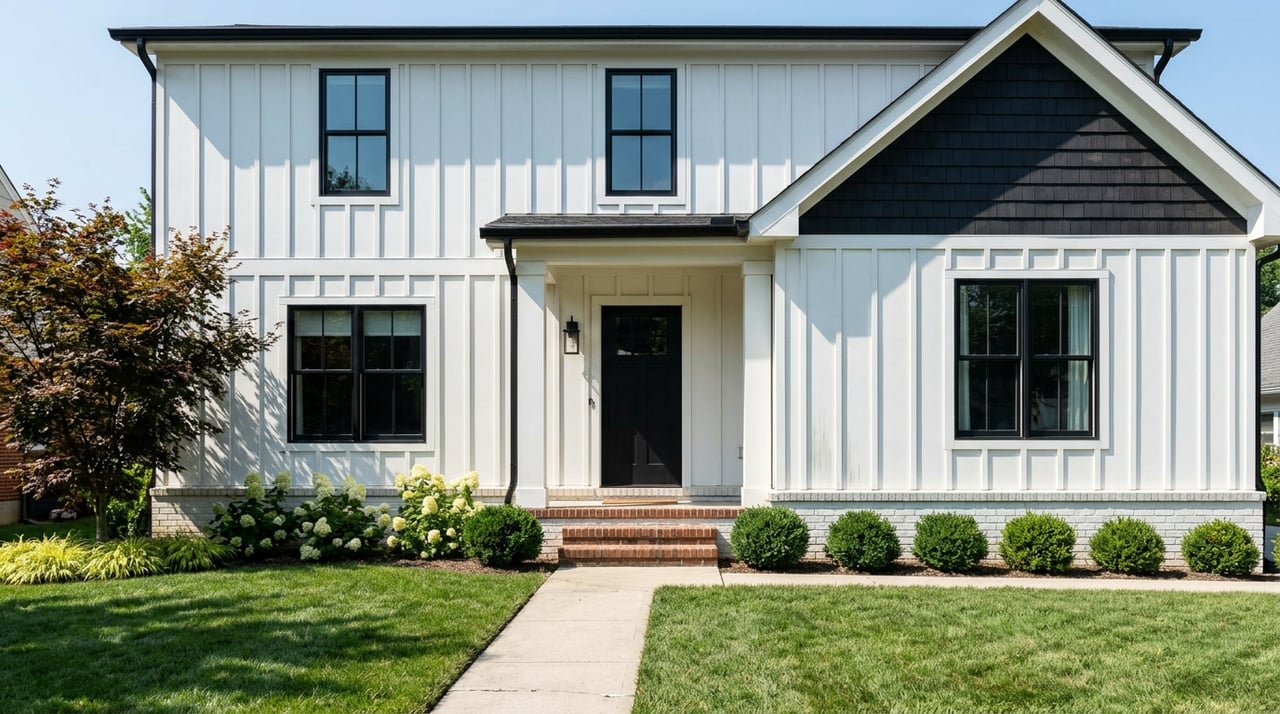
You’ll see a mix of older village homes, newer single-family houses, farm properties, and acreage. Some buyers look for a full-time residence close to the village for convenience. Others prefer outlying roads with larger lots and more privacy. Seasonal and second-home buyers are part of the market as well, thanks to outdoor amenities nearby.
Seasonality matters. Listing activity often rises in spring and summer. If you have a firm timeline, ask your agent for recent 12-month data on inventory, days on market, and pricing. For the most current snapshot, local MLS data is the best source.
What to expect in older and rural homes
Older homes may feature original details along with updates over time. Plan for a thorough inspection that covers:
- Private well systems, including water quality testing and flow rate.
- Septic system age, permits, and recent servicing.
- Heating sources like oil, propane, wood, or electric, including maintenance records.
- Insulation, electrical service, and any past renovations.
Many lenders require well and septic inspections for mortgages. Factor inspection timing and potential upgrades into your offer strategy.
Financing pointers for rural purchases
Financing can look a bit different outside suburban markets. Appraisals may take longer if comparable sales are limited. Some buyers may qualify for USDA Rural Development loans for low down payments, depending on eligibility maps. Work with a lender familiar with rural properties so you’re clear on requirements, timelines, and any extra underwriting steps.
Utilities and connectivity
Rural utilities vary by address, so verify details for each property before you make an offer.
Water and sewer
Many homes rely on private wells and septic systems. Ask for permits, maintenance records, and any recent repairs. Delaware County Public Health and the town clerk can confirm permits and local requirements. A professional well test and septic inspection are standard during due diligence.
Electricity and heating fuel
Electric service varies by provider. Heating often uses oil or propane, sometimes supplemented by wood or pellet stoves. Ask sellers for recent fuel usage and service history so you can estimate costs and plan for tank fills.
Internet and cell service
Coverage depends on exact location and carrier. Options might include DSL, cable where available, fixed wireless, or satellite. Confirm service at the specific address using FCC broadband maps, carrier checkers, and real-world input from neighbors.
Trash and recycling
Expect town or county programs and private haulers. Ask the town or village clerk about schedules, rules, and any fees for bulk items.
Property taxes and assessments
New York property tax bills usually include municipal, county, and school district components. School taxes are often the largest line item. Effective tax rates and assessments vary by location and district boundaries.
For accurate figures, contact the Delaware County Real Property Tax Service and the local assessor. Ask the seller for prior tax bills, understand due dates, and look into exemptions you may qualify for, such as New York’s STAR program for primary residences.
Permits, zoning, and historic considerations
Local zoning dictates how you can use your property and what you can build. Before planning renovations or adding an accessory structure, confirm requirements with the Town of Stamford or Village of Stamford. If the home may be in or near a historic area, ask about any additional guidelines for exterior changes. Meeting minutes and planning board resources often clarify what is permitted and the typical approval timeline.
Flood and environmental checks
Parts of upstate New York include flood-prone areas, wetlands, and other environmental constraints. Before you buy, review FEMA Flood Insurance Rate Maps to confirm whether a property sits in a flood zone and whether flood insurance could be required. The New York State Department of Environmental Conservation provides information on wetlands and any restrictions that may affect development or additions. These checks help you manage risk and avoid costly surprises.
Schools, healthcare, and commuting
Local public schools such as Stamford Central School District serve the area. To evaluate programs and offerings, consult the district and New York State Education Department data. If you prefer private or alternative options, you can expand your search to nearby towns.
Healthcare access typically includes local family practices and urgent care, with larger hospitals and specialists in regional centers. Confirm typical drive times to the providers you use most.
Commuting is primarily by car. Public transit is limited in many rural Catskills communities, so plan for road travel and winter conditions. If you need rail service or major airport access, map out drive times to the nearest stations and hubs for your routine.
Everyday life and recreation
If you love the outdoors, you’ll have plenty to explore. Hiking trails, fishing spots, and winter activities are an easy drive from the village center. Seasonal events like farmers’ markets, craft shows, and local festivals add to the small-town rhythm.
In the village, expect local cafes, restaurants, and small shops. For big-box stores or specialized services, you’ll likely drive to larger nearby towns. Many residents pair online ordering with local shopping to cover day-to-day needs.
A practical relocation checklist
Use this step-by-step plan to move from research to keys-in-hand with fewer surprises.
Pre-offer
- Map commute times and confirm access to the services you use often.
- Verify broadband and cell coverage for the exact property address.
- Pull FEMA flood maps and ask about well and septic history.
- Review zoning and any restrictions that could affect your plans.
During purchase and inspection
- Order a professional well water test and septic inspection.
- Hire an inspector experienced with older and rural homes, plus oil, propane, or wood heating systems.
- Confirm homeowner’s insurance availability and rates, including flood coverage if needed.
- Clarify lender requirements for rural properties, including water and septic documentation.
Before move-in
- Set up electric service, choose a fuel provider, and schedule tank fills.
- Arrange trash and recycling pickup or sign up with a private hauler.
- Contact the assessor about tax billing dates and exemptions like STAR.
- If moving in or before winter, schedule a heating system service, line up snow removal, and inspect insulation and weather sealing.
Settling in
- Visit the town or village clerk for permits, parking rules, and local contacts.
- Identify your nearest primary care provider, pharmacy, and urgent care.
- Join community groups and libraries, and follow town calendars for events.
What to ask before you write an offer
- Does the property have a private well and septic, and are permits and maintenance records available?
- What is the age and service history of the heating system and roof?
- Is the home in a flood zone, and what would flood insurance cost?
- What are the current property taxes, and how might assessment changes affect them?
- Which internet providers serve the address, and what speeds are typical?
- Are there any active permits, violations, or open items with the town or village?
How a local advisor helps
Buying in a rural Catskills market is different from buying in a dense suburb. You benefit from an advisor who understands wells, septics, seasonal access, and the way local inventory moves across seasons. You also need a clear plan for inspections, financing, and utilities so you can negotiate with confidence and keep your timeline on track.
If you’re considering a move to Stamford or exploring options across the region, connect with a team that pairs market knowledge with organized, end-to-end support. Reach out to Gino Bello Homes for a calm, consultative conversation about your goals and next steps.
FAQs
How are property taxes structured in Stamford, NY?
- New York property tax bills typically include municipal, county, and school district components, with school taxes often being the largest share. For accurate totals and due dates, contact the Delaware County Real Property Tax Service and the local assessor.
What should I know about wells and septics before buying?
- Many properties use private wells and septic systems. Plan for a professional water test and septic inspection, review permits and maintenance records, and confirm your lender’s documentation requirements.
Is internet reliable in rural parts of Stamford?
- It depends on the exact address and provider. Options can include DSL, cable where available, fixed wireless, or satellite. Verify service using FCC broadband maps, carrier checkers, and feedback from neighbors.
Do I need flood insurance in Stamford?
- Only if your lender requires it or if you want added protection. Check FEMA Flood Insurance Rate Maps to confirm the property’s zone and discuss coverage with your insurance agent.
How do I check local zoning and permits?
- Contact the Town of Stamford or Village of Stamford for zoning details, permitted uses, and permit history. Review planning board resources and meeting minutes for project guidelines and timelines.
What is the school district for my address?
- Stamford is served by local public schools such as Stamford Central School District, though district boundaries vary. Confirm the assigned district with the district office or local officials for the specific property address.
What heating fuels are common and how do I budget?
- Oil, propane, and wood are common, sometimes with electric backup. Ask for service records and recent fuel usage to estimate costs, and schedule a system service before your first winter.
Is public transit available for commuting?
- Road travel is the norm and public transit is limited. If you need train or airport access, map drive times to the nearest stations and hubs during your typical commute window.
Are short-term rentals allowed in Stamford?
- Rules depend on local zoning and any village or town ordinances. Confirm with the town or village clerk and review any permitting or occupancy requirements before you purchase.
What inspections are most important for older homes?
- In addition to a general home inspection, prioritize well water testing, septic inspection, chimney evaluation if applicable, and an HVAC assessment for oil or propane systems. These findings can impact price, timing, and repairs.