Selling in Mount Pleasant and want buyers to fall in love the moment they step in? A focused staging plan can make your home stand out in Westchester’s commuter-friendly market and help buyers picture themselves living there. You may feel overwhelmed by where to start, what to prioritize, and how to time everything. This guide gives you a clear, room-by-room checklist with local tips for seasons, showings, and photos so you can list with confidence. Let’s dive in.
What Westchester buyers want
Many buyers in Mount Pleasant and nearby Westchester communities balance work in the city with a suburban lifestyle. They often look for flexible spaces, easy maintenance, and convenient access to transit and parks. You can highlight those priorities through smart staging.
- Flexible spaces that work as an office or guest room
- Clean, low-maintenance finishes and organized storage
- Bright, neutral rooms that feel move-in ready
- Thoughtful outdoor areas for dining or play
- Clear references to commute options and nearby amenities, including Metro-North schedules and stations
Industry research shows that well-staged homes help buyers visualize how to use the space and can support a faster, stronger sale. See insights from the National Association of Realtors research, Zillow Research on buyer behavior, and HomeLight’s staging insights for broader context.
Start with safety, repairs, cleaning
Before styling, fix what could worry a buyer. Then deep clean so every room photographs well and feels fresh at showings.
- Safety and repairs: address loose handrails, broken steps, leaks, and electrical issues. Touch up paint and patch nail holes in high-traffic areas.
- Deep cleaning: scrub kitchens and baths, clean grout, shampoo carpets, wash windows, and remove musty odors. Manage humidity so the home feels comfortable.
- Lighting: replace bulbs, match color temperature, and test every switch.
Suggested timeline
- Days 1 to 7: declutter, deep clean, address safety items, touch up paint, confirm lighting works.
- Weeks 1 to 2: complete kitchen and bath fixes, elevate curb appeal, organize closets, and arrange furniture.
- Weeks 2 to 4: complete larger paint jobs or landscaping, and set up professional staging if needed.
Room-by-room staging checklist
Use this practical list to guide your prep. Keep finishes neutral and decor minimal so buyers can focus on space and function.
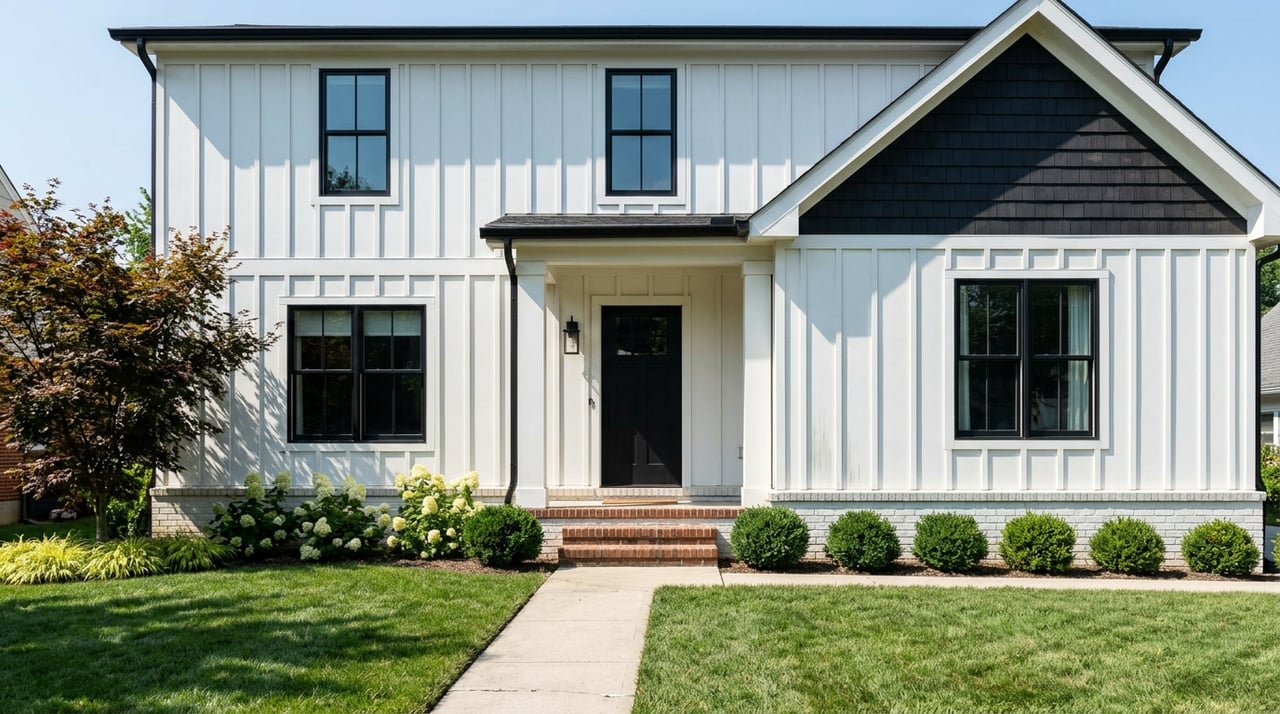
Exterior and curb appeal
- Repairs: fix gutters and downspouts, repair steps and handrails, replace missing shingles or loose siding, and refresh the front door paint if needed.
- Cleaning: power wash walkways, clear cobwebs, trim hedges, mow and edge the lawn, rake leaves, and remove snow. In winter, salt icy paths.
- Styling: place a clean, neutral doormat, add one or two potted seasonal plants, and tidy or remove worn furniture.
- Lighting and access: confirm exterior lights work. Add pathway lights for evening showings. Provide clear parking instructions.
- Local tip: some Westchester villages or HOAs limit signs. Check rules before placing exterior signage.
Entry and foyer
- Declutter: remove shoes, coats, and oversized furniture.
- Furnish: add a narrow console, a simple mirror to open the space, and a neutral rug.
- Function: ensure the door swings freely and traffic flows into the main living area.
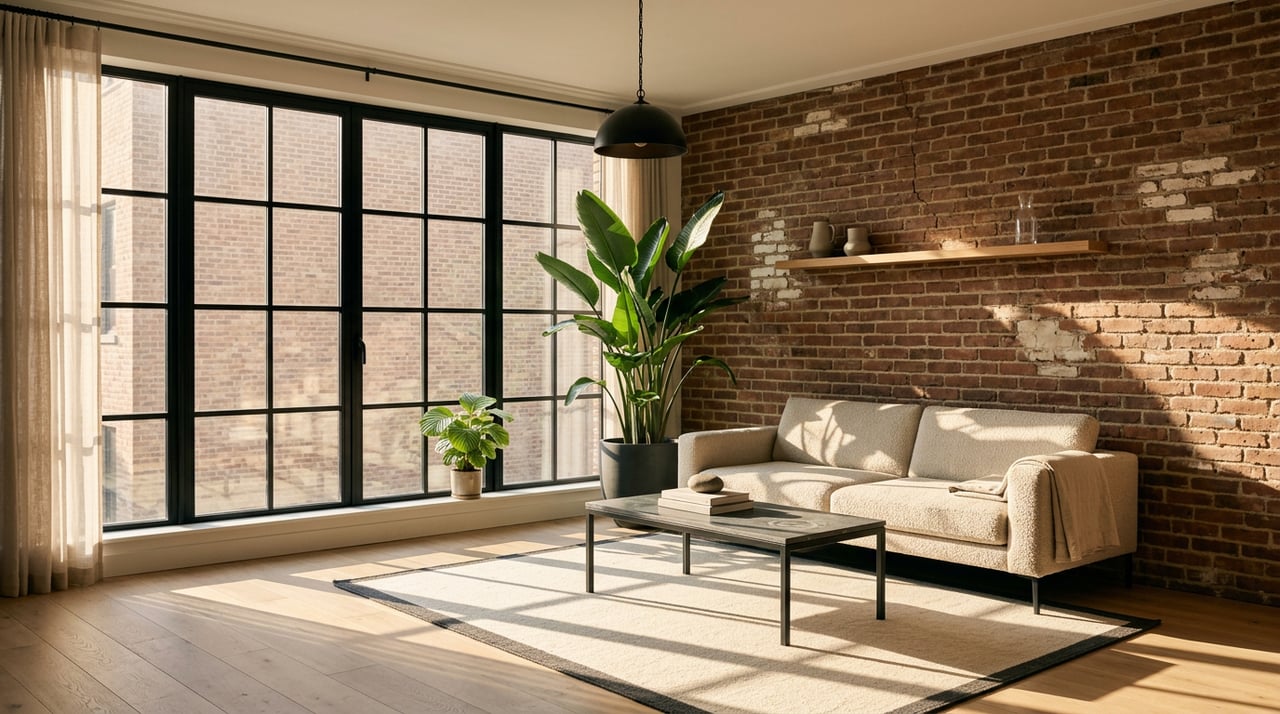
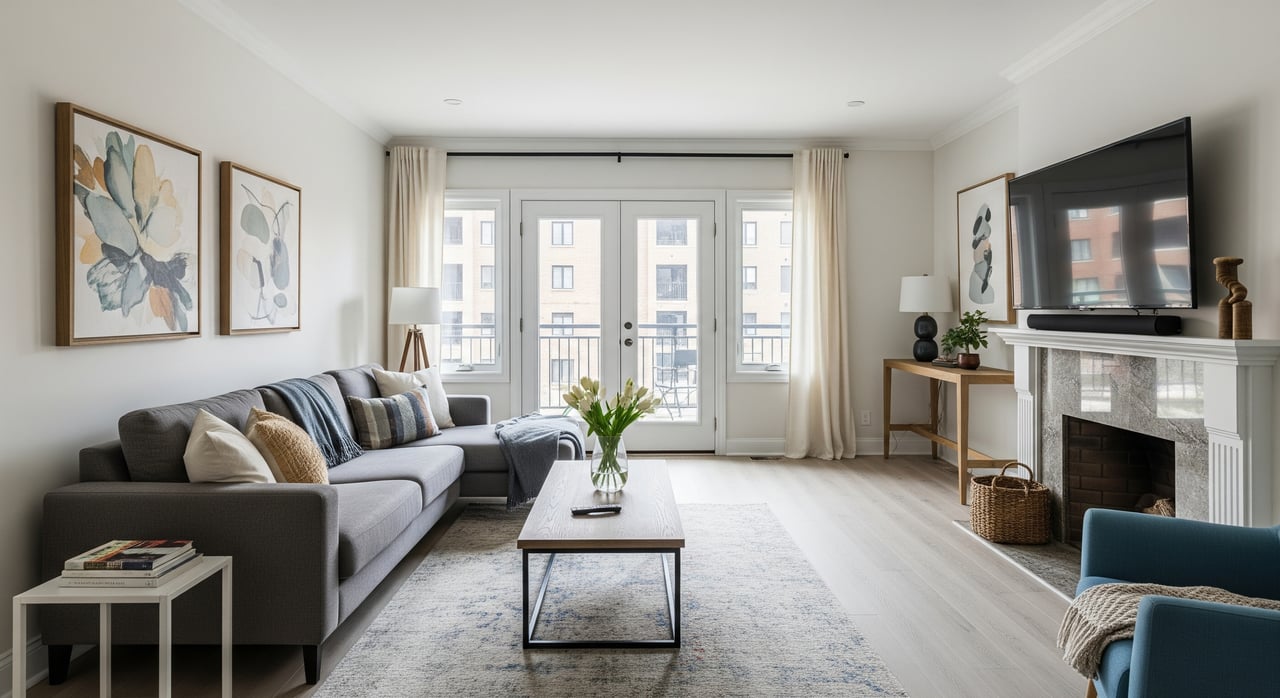
Living room or family room
- Repairs: fix squeaky floors and secure loose trim.
- Furniture: create a conversation layout and highlight the focal point, such as a fireplace or view. Remove bulky pieces to show space.
- Textiles: use a cohesive neutral palette, lighter curtains, and a scaled rug.
- Lighting: layer overhead lights and lamps. Match bulb color temperatures.
- Finishing touches: keep accessories minimal, remove personal photos, and add a healthy plant for life.
Dining room
- Setup: clear the table and stage a simple centerpiece. Use a small runner if it helps scale.
- Scale: remove extra leaves or oversized buffets that crowd the room.
- Lighting: clean the chandelier and keep it on for photos and showings.
Kitchen
Repairs: fix cabinet doors, replace missing hardware, and repair leaks. Confirm appliances work.
Deep clean: degrease, refresh grout, clean inside the oven and refrigerator.
Declutter: remove most counter items. Keep one or two useful pieces, like a coffee maker and a bowl of fruit.
Styling: add neutral towels, a small plant or herbs, and a cutting board for warmth.
Lighting: brighten task areas and turn on under-cabinet lights for photos.
Small updates: consider new hardware, a modern faucet, and fresh caulk at sinks.
Pantry and laundry
- Organize: wipe shelves, group items in matching containers, and label neatly.
- Laundry: clear surfaces, hide detergents, and show hookups. If space is tight, use uniform bins.
Primary bedroom
- Bedding: use fresh, neutral linens with a simple pillow arrangement.
- Declutter: remove extra furniture and organize closets so they appear half full.
- Lighting: use warm lamps and allow natural light for daytime showings.
Secondary bedrooms
- Purpose: stage as a guest room, child’s room, or office based on size.
- Furnishings: keep decor minimal and bedding neutral.
- Flexibility: if a bedroom is small, consider staging as an office to show options.
Bathrooms
- Deep clean: scrub tile, grout, mirrors, and fixtures.
- Function: ensure drains flow, toilets are secure, and hot water runs quickly.
- Styling: hang white towels, add a fresh bathmat, and include a small plant. Replace dated shower curtains.
- Updates: swap in modern faucets, mirrors, or light fixtures for impact without major cost.
Home office or flex space
- Setup: place a clean desk, comfortable chair, and neutral art.
- Connectivity: show where the router or charging hub can live.
- Light: highlight natural light and avoid cord clutter.
Basement or lower level
- Condition: dehumidify and remove odors. Clean thoroughly.
- Finished areas: stage as a media room, gym, or playroom with clear zones.
- Unfinished spaces: show potential with a tidy storage system or workbench. Make HVAC and sump pump accessible and presentable.
Attic and storage
- Clean: remove old items and evidence of pests. Show usable flooring and insulation condition.
- Organize: use labeled bins and clear pathways to highlight capacity.
Garage
- Declutter: remove junk and store seasonal gear neatly.
- Present: consider painting a stained floor. Show that a vehicle fits easily.
- Function: test the opener and spotlight remaining storage.
Outdoor living spaces
- Refresh: clean and seal decks, repair railings, and power wash patios.
- Stage: add a bistro set or simple seating with low-color cushions.
- Safety: if you have a pool or special feature, confirm fencing and safety measures for showings.
- Local tip: point furniture toward a pleasant view and mention proximity to parks or trails in your listing copy.
Seasonal and local tips
Mount Pleasant has four distinct seasons, which affect how your home shows and photographs.
- Spring: mulch, edge beds, and plant early bulbs for color. Wash windows for brighter photos.
- Summer: use light window treatments to reduce glare. Cool the home before showings.
- Fall: keep gutters clear and remove leaves from lawns and walkways.
- Winter: shovel and salt paths, run heating ahead of showings, and eliminate musty odors.
When your home is near transit, parks, or a village center, highlight that in your staging and listing copy. If you are close to a Metro-North station, include a simple map inset or note the station name. Buyers appreciate clear commuter context supported by Metro-North schedules and stations.
Photography and virtual staging
Professional photography is essential once staging is complete.
- Timing: schedule photos when daylight is strongest, and turn on all lights.
- Prep: declutter surfaces, remove pet items, and hide cords. Use wide-angle lenses responsibly to avoid distortion.
- Virtual staging: this can be a cost-effective option for vacant homes. If you use it, disclose virtual enhancements per MLS rules and ethical standards.
For more visual ideas, browse HGTV’s staging checklist and general homeowner resources from Realtor.com staging tips.
Regulations and building rules
Westchester includes villages with historic districts and unique sign or exterior rules. Before altering exteriors, painting, or adding temporary structures, confirm requirements with your village clerk or preservation office. The New York State Historic Preservation Office guidance and Westchester County resources are good starting points.
If you live in an HOA or co-op, ask about limits on signs, lockboxes, and exterior decor. Clarify rules before you place outdoor items for showings.
Timing, budget, and ROI
A thoughtful plan helps you invest where it matters most.
- Budget drivers: home size, whether it is occupied, and the scope of rentals or updates.
- DIY vs pro: DIY works for cleaning, decluttering, and rearranging. Professional stagers help most with vacant or upper-tier listings, or when you need neutral inventory and quick turnaround.
- Returns: industry research from the National Association of Realtors research and HomeLight’s staging insights indicates that well-staged homes often present better online, attract more tours, and can support stronger offers. While results vary, staging typically improves marketability.
Showing strategy for commuters
Evening and weekend tours are common in Westchester, especially for New York City commuters. Prepare for after-work showings with warm lighting in every room, clear directions, and safe, well-lit paths. In winter, pre-heat the home and remove snow and ice before appointments. If you have transit or park access nearby, call it out in your showing notes and marketing remarks.
Work with a trusted local team
Staging is easier with a clear plan, strong vendors, and pro-level marketing. Our team provides a consultative, full-service listing experience that includes staging guidance, professional photography and video, and coordinated timelines so you can list with confidence. If you are thinking about selling in Mount Pleasant or anywhere in Westchester, reach out to Gino Bello Homes to get your free home valuation and market consultation.
FAQs
Which rooms should Mount Pleasant sellers stage first?
- Focus on the entry, living room, kitchen, primary bedroom, and curb appeal to make the strongest first impression.
How neutral should my decor be for Westchester buyers?
- Use a calm, neutral palette with a few accents, and keep personal photos or statements to a minimum so buyers focus on space and light.
Is staging worth it if my home is occupied?
- Yes, even simple decluttering, cleaning, and furniture edits help rooms feel larger and more functional, which supports better photos and showings.
Should I stage a vacant home in Mount Pleasant?
- Staging or high-quality virtual staging helps buyers understand scale and flow in vacant rooms, which can improve online traffic and tour conversion.
How long should I plan for staging and prep?
- Plan one to three weeks for a typical home to handle cleaning, small repairs, and staging setup, with more time for painting or landscaping.
Do I need to disclose virtual staging in photos?
- Yes, be transparent and follow MLS rules by noting virtually staged images and clarifying that furnishings are not included in the sale.